
How to Choose Heavy-Duty Steel Shelving for Warehouse Storage
When buyers search for heavy-duty steel shelving, adjustable metal shelving, warehouse shelving or long span shelving, many products appear similar. However, two shelving units with the same external dimensions can perform very differently once cartons, tools, spare parts or production materials are loaded.
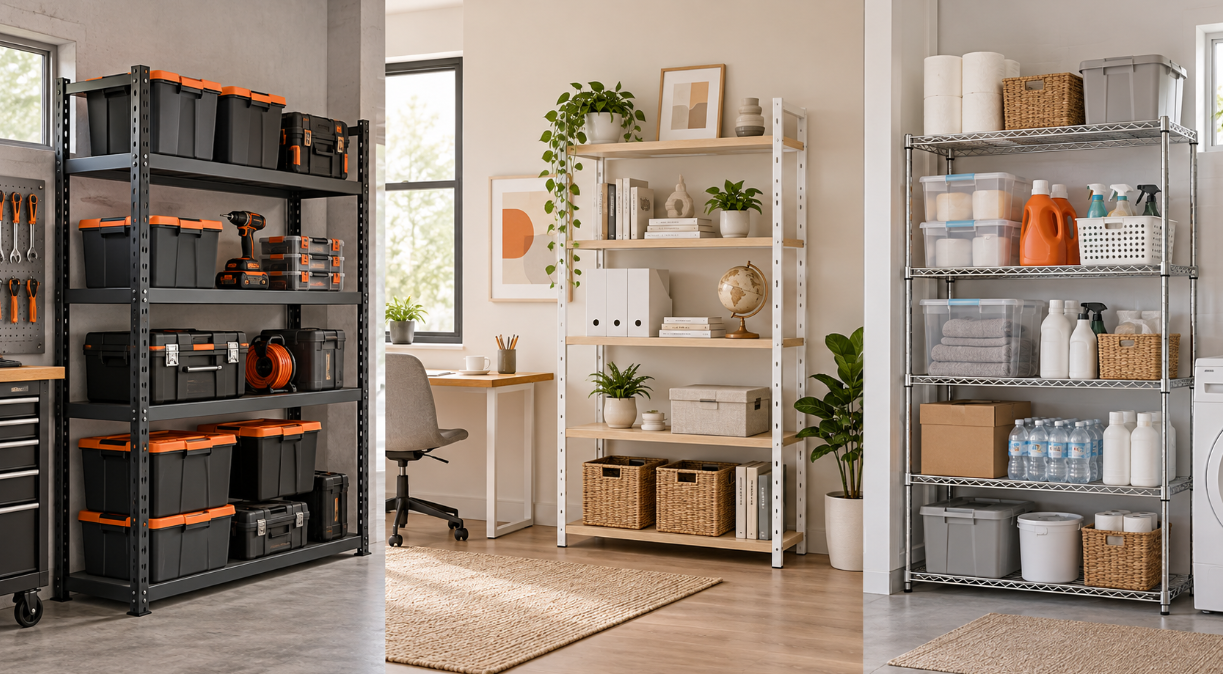
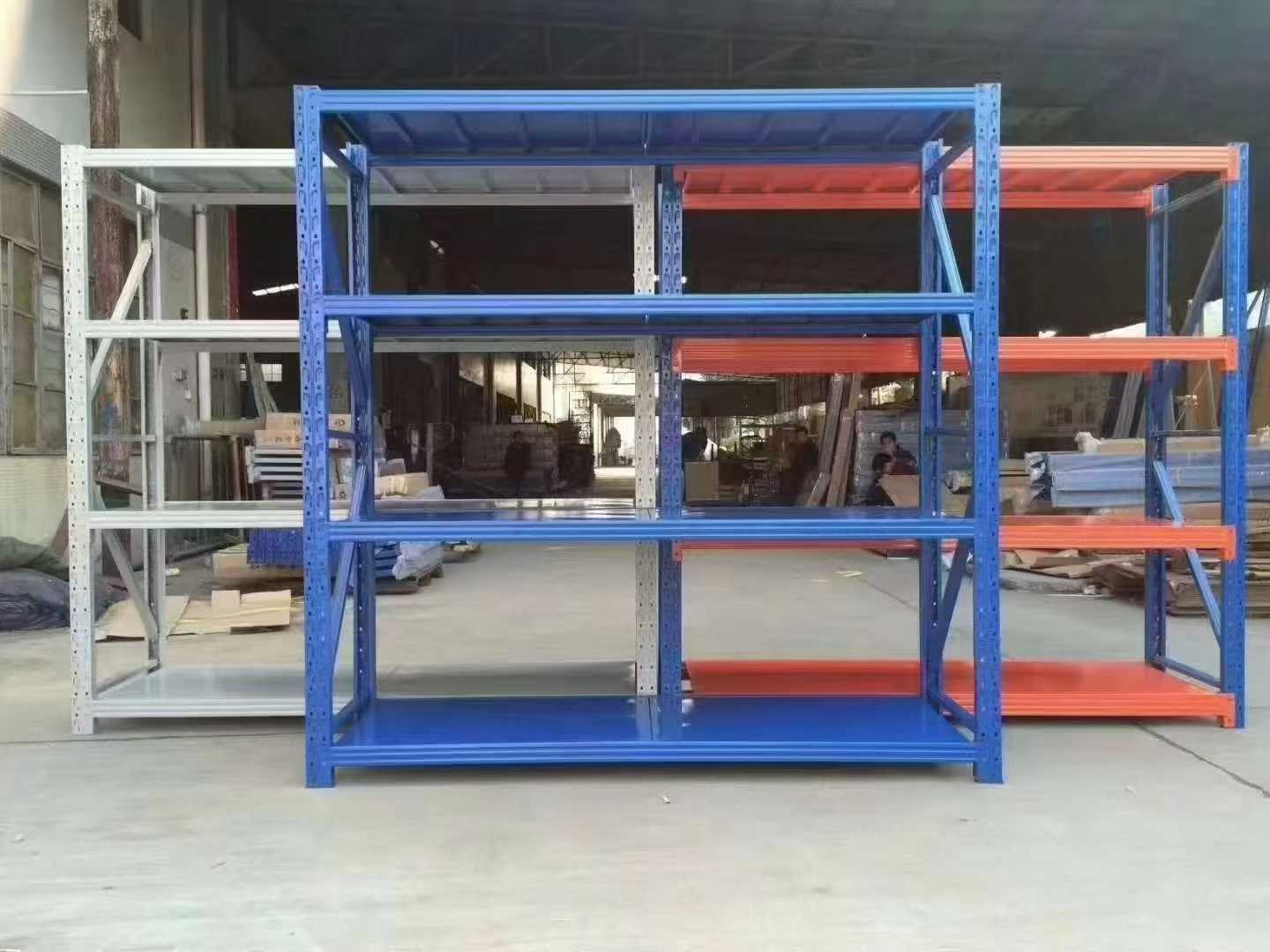
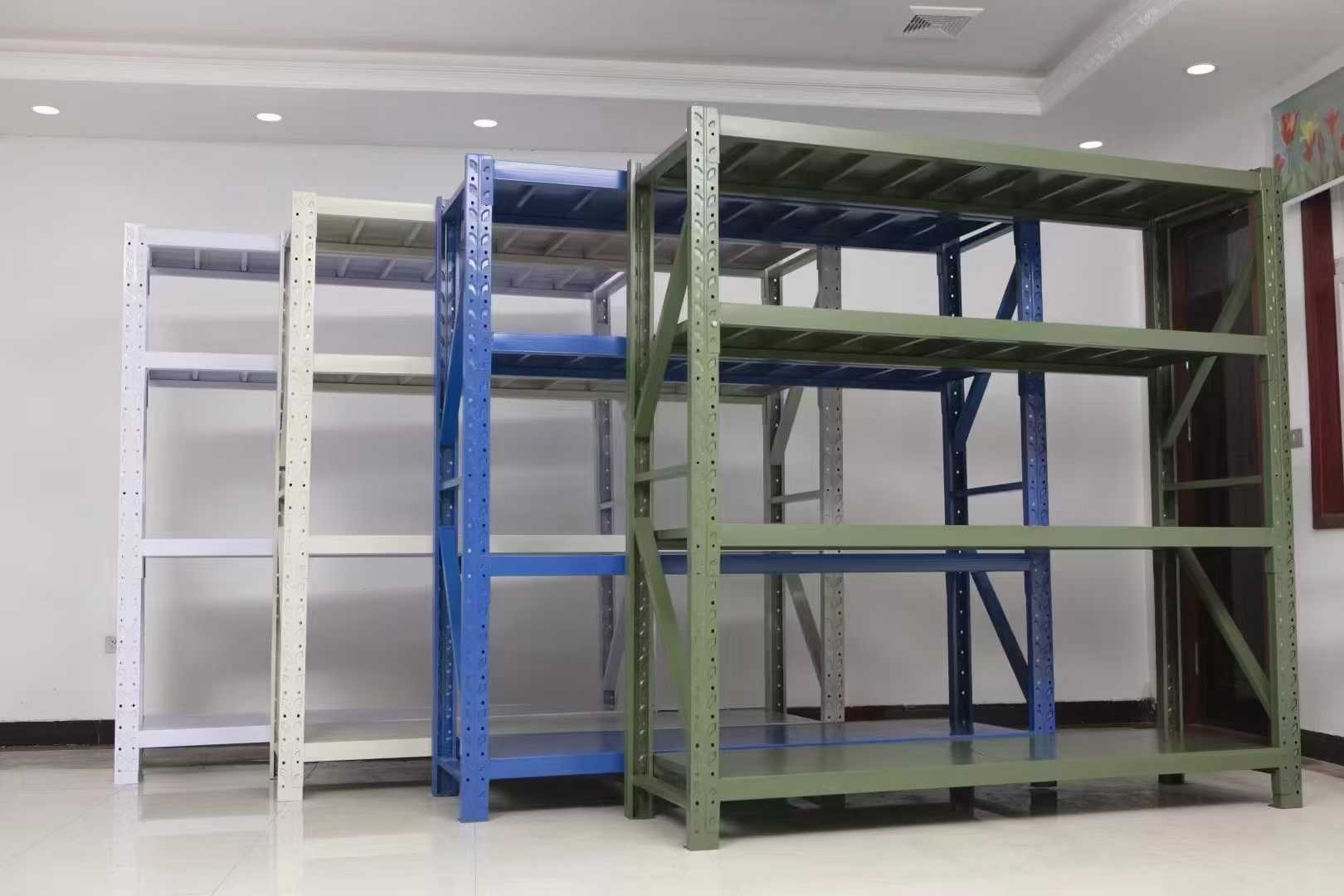
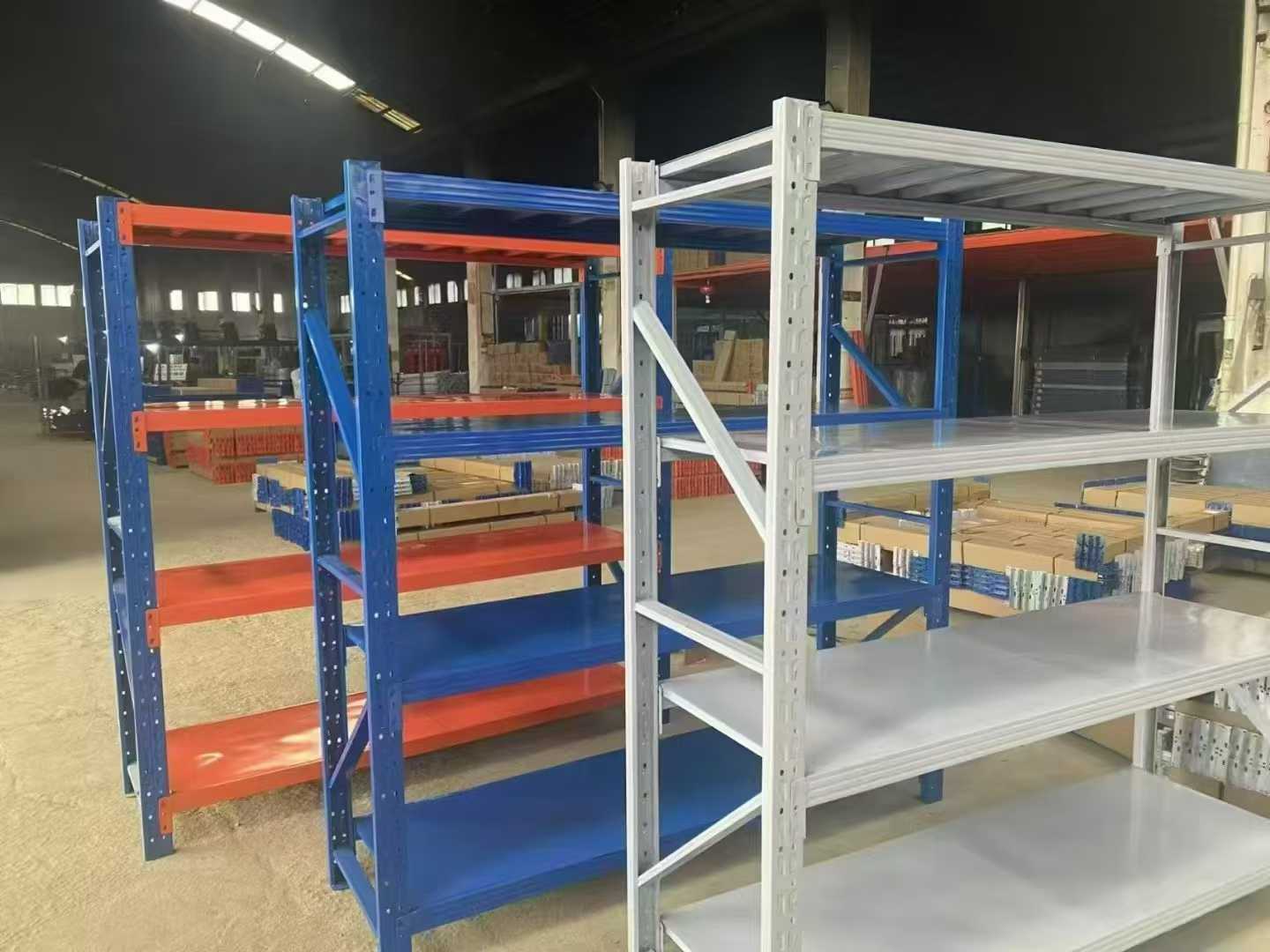
The products shown here illustrate a practical modular design with slotted steel uprights, horizontal beams, bracing, solid steel shelf panels and powder-coated finishes in several colors. This type of industrial shelving can provide direct access to manually handled goods while allowing shelf levels to be repositioned.
The right buying decision should not be based on appearance alone. Buyers should match the structure to the load, storage method, warehouse environment and future expansion plan.
1. Start with the Loading Method
First determine how goods will be placed onto the system.
For cartons, bins, tools, components and other products loaded by hand, medium-duty shelving or long span shelving is often suitable. It offers open access and can be configured with steel panels, wire mesh or engineered wood decking.
If complete pallets will be loaded by forklift, a pallet racking system is normally required. “Heavy-duty shelving” and “pallet racking” are not automatically interchangeable. MHI lists industrial boltless steel shelving under ANSI MH28.2-2022, while industrial steel pallet racks are covered separately. The distinction affects the frame, beam connectors, anchoring and engineering requirements.
Before requesting a price, tell the supplier whether the system will be manually loaded or forklift loaded. This single detail can prevent an unsuitable quotation.
2. How Much Weight Can Steel Shelving Hold?
There is no universal load capacity for a metal shelving unit. Capacity depends on:
Clear shelf span
Beam profile and steel thickness
Upright section and frame configuration
Number and position of shelf supports
Decking material
Connector design
Total number and position of loaded levels
Anchoring and installation conditions
A quotation stating “300 kg per shelf” should also clarify whether this means uniformly distributed load, commonly abbreviated as UDL. A concentrated motor, mould or dense carton can create more stress than the same weight distributed across the complete shelf.
Buyers should request the rated load per level, total allowable load per bay and the test or engineering basis supporting those ratings. Never calculate the total rack capacity simply by multiplying the shelf rating without confirmation from the manufacturer.
3. Select the Correct Dimensions and Shelf Levels
The best warehouse shelving size starts with the stored goods, not with a standard catalogue.
Measure the largest carton or bin and confirm the required clear width, usable depth and vertical clearance. Then check the available warehouse footprint, ceiling height, aisle width and access route for installation.
Adjustable shelf levels are useful when inventory sizes change. They reduce wasted vertical space and allow one shelving system to support different product categories. However, buyers should confirm the adjustment increment and whether changing a beam level affects bracing or the approved load configuration.
Also define exactly what “four levels” or “five levels” means. Some buyers count the floor as a storage level, while others require four or five raised shelf decks. A simple drawing prevents this common misunderstanding.
4. Choose the Right Shelf Decking
The shelving in the photos uses solid steel shelf panels. This creates a flat surface for cartons, small parts, tools and containers that could sit unevenly on wire decking.
Common options include:
Steel panels: durable, easy to clean and suitable for many manually handled goods
Wire mesh: improves visibility and airflow and may be preferred where project fire requirements call for more open decking
Engineered wood: economical for dry indoor storage but must be matched to humidity and load requirements
Perforated steel: provides a metal surface with additional ventilation
Powder coating provides an attractive, wear-resistant finish and allows colors to match a brand or warehouse zone. Blue, white, grey, orange and green can also be used to separate inventory areas.
For wet, corrosive, outdoor or food-processing environments, ask whether galvanized or stainless steel is more appropriate than standard powder-coated carbon steel.
5. Inspect the Structure, Not Just the Paint
A professional industrial shelving assessment should review the complete load path from the shelf panel to the floor.
Check that the beams seat securely into the upright slots, braces are positioned correctly, shelf supports fit tightly, and feet or base plates make full contact with the floor. Tall or narrow units may require anchoring, additional bracing or connection to adjacent bays, depending on the configuration and local requirements.
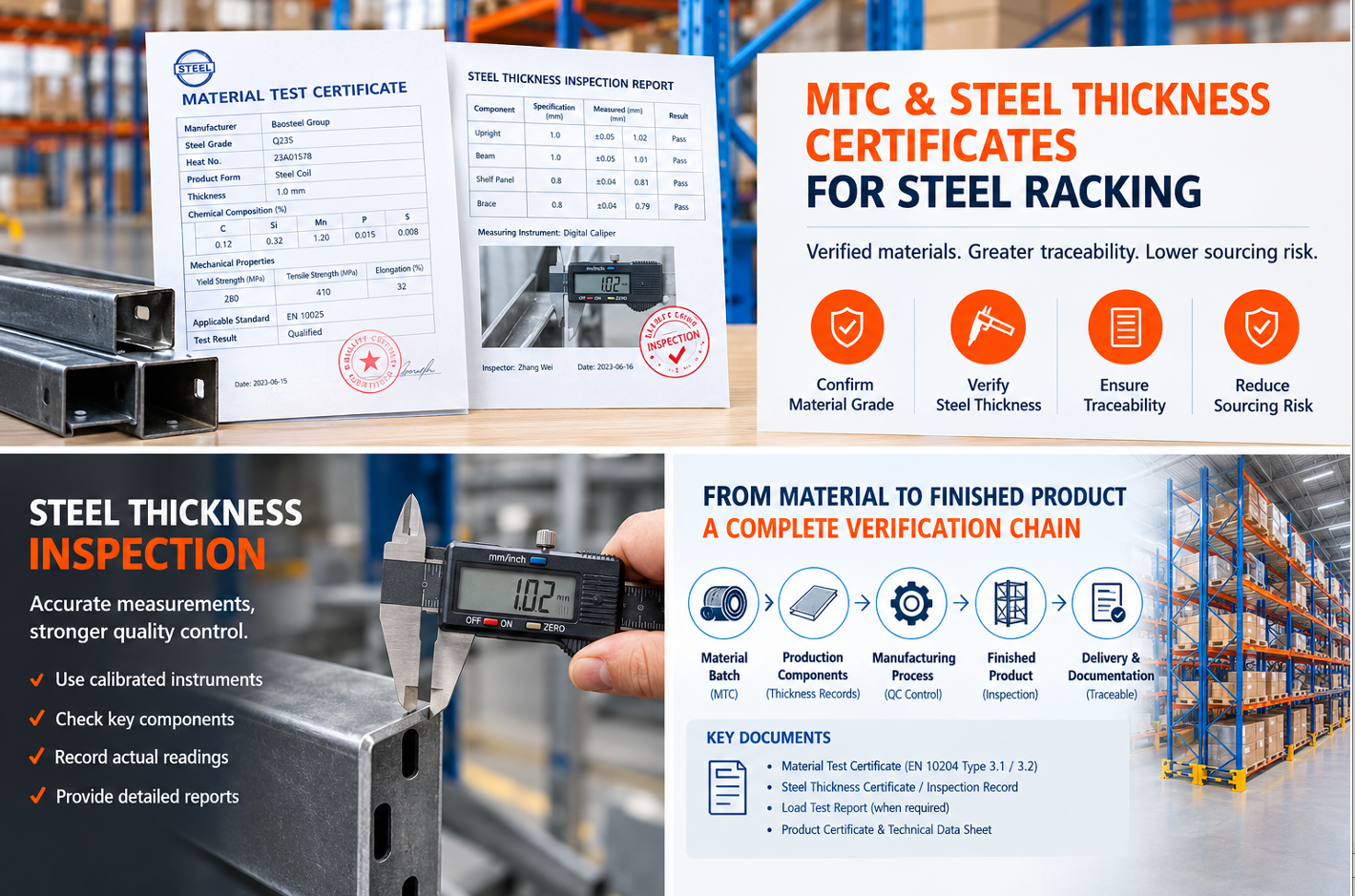
Steel thickness is important, but it should not be judged in isolation. A well-designed beam profile and correctly positioned reinforcement can matter as much as the nominal thickness of one component.
OSHA’s warehouse safety guidance advises operators to place heavier loads on lower or middle shelves and ensure that shelving and rack capacities are not exceeded. Capacity labels should remain visible after installation, and damaged, modified or corroded components should be reviewed before continued use.
6. Plan for Modular Expansion
Modular warehouse shelving can be supplied as individual freestanding bays or as starter and add-on bays. Add-on configurations share uprights, which can reduce material use and create a cleaner continuous row.
Before ordering, confirm:
Number of starter and add-on bays
Required shelf levels per bay
Future expansion direction
End panels, back panels or dividers
Labels, bins and other accessories
Custom color and branding requirements
Spare parts availability
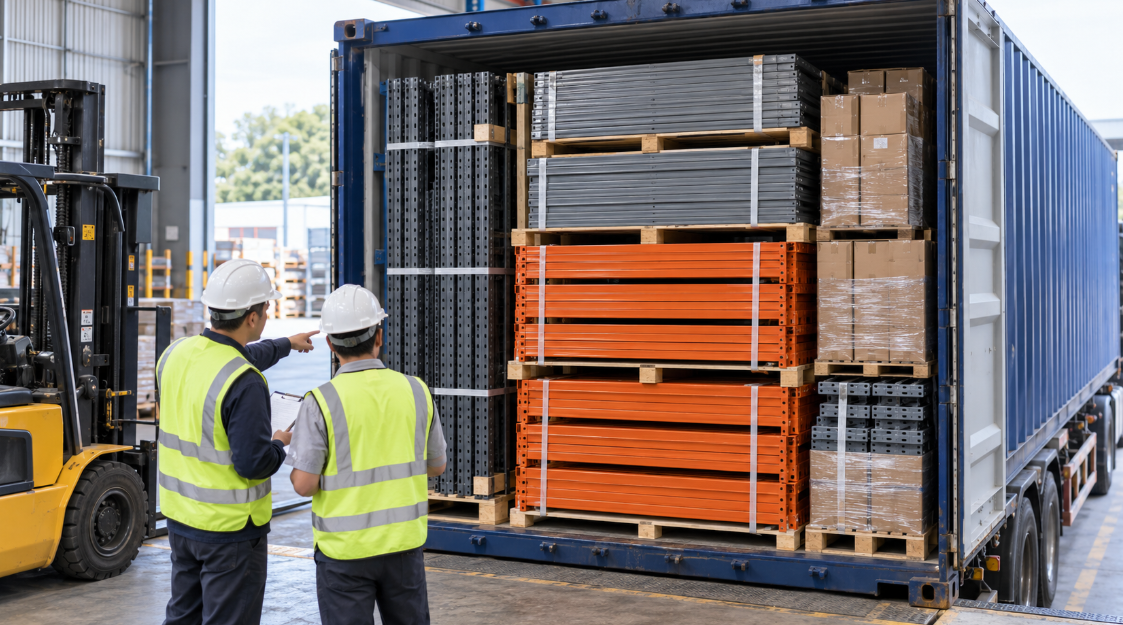
For importers and distributors, OEM packaging, private-label colors, container loading quantity and replacement-component compatibility can be just as important as the unit price.
7. What Information Should You Send a Shelving Manufacturer?
To receive an accurate steel shelving price, provide the following information:
Overall width, depth and height
Number of shelf levels
Required UDL per level
Description and dimensions of stored goods
Manual or forklift loading method
Preferred decking material
Quantity and bay arrangement
Indoor, humid, cold-room or outdoor environment
Required color and surface treatment
Destination country and applicable project standards
Photos, carton dimensions and a simple warehouse layout can help the manufacturer recommend a safer and more economical configuration.
Frequently Asked Questions
What is long span shelving?
Long span shelving is a wider-span storage system generally used for manually picked medium-weight goods such as cartons, bins, automotive parts and tools. It normally uses upright frames, horizontal beams and steel, wire or wood decking.
Is heavy-duty steel shelving the same as pallet racking?
No. Shelving is commonly designed for manually handled goods, while pallet racking is designed around pallet dimensions and mechanical handling equipment. The correct product depends on the load unit and loading method.
Does steel shelving need to be anchored?
It depends on the height-to-depth ratio, load, layout, seismic conditions, public access and local requirements. Tall, narrow or heavily loaded units frequently require anchoring. The manufacturer or qualified project designer should confirm the installation method.
Can shelf heights be adjusted?
Many modular systems use slotted uprights that allow beam levels to be repositioned. Adjustment increments and approved configurations vary by model, so they should be confirmed before ordering.
What is the best shelving for a warehouse?
The best system is the one that safely supports the specified goods while providing efficient access. Load capacity, dimensions, picking method, environment and expansion requirements should be evaluated together.
Build the Right Storage System with KAYOU
KAYOU supplies customizable steel shelving for warehouses, workshops, stockrooms, distribution centers and commercial storage projects. Available options include adjustable levels, solid steel shelf panels, modular starter and add-on bays, custom dimensions, powder-coated colors and OEM packaging.
Send us your required size, shelf quantity, load per level and order volume. Our team can prepare a suitable configuration and quotation for your market or project.