
Mobile vs. Static Shelving for Archives: Storage Capacity and Total Cost Comparison
KAYOU ARCHIVE STORAGE BUYER'S GUIDE
Mobile vs. Static Shelving for Archives: Storage Capacity and Total Cost Comparison
Compare filing capacity, space use, floor loading, access and ten-year ownership costs to plan an archive storage project.
Quick answer: Static shelves typically cost less initially and support simultaneous aisle access. Mobile shelving can deliver greater storage density, but brings additional track, floor-load and maintenance requirements. Compare systems using equivalent usable filing capacity.
Why Archive Storage Design Matters
A growing collection of paper records can quickly turn a well-organized archive into an overcrowded room. Before buying additional shelves, archive managers should compare the usable filing capacity, access requirements, building constraints and full lifecycle cost of alternative systems. Static shelves normally have lower equipment costs and let workers use several aisles simultaneously. Mobile shelving reduces permanent aisle space and can store more records within the same room—but requires rails, movable bases and careful floor review. This guide explains when each system makes sense.What Is Static Archive Shelving?
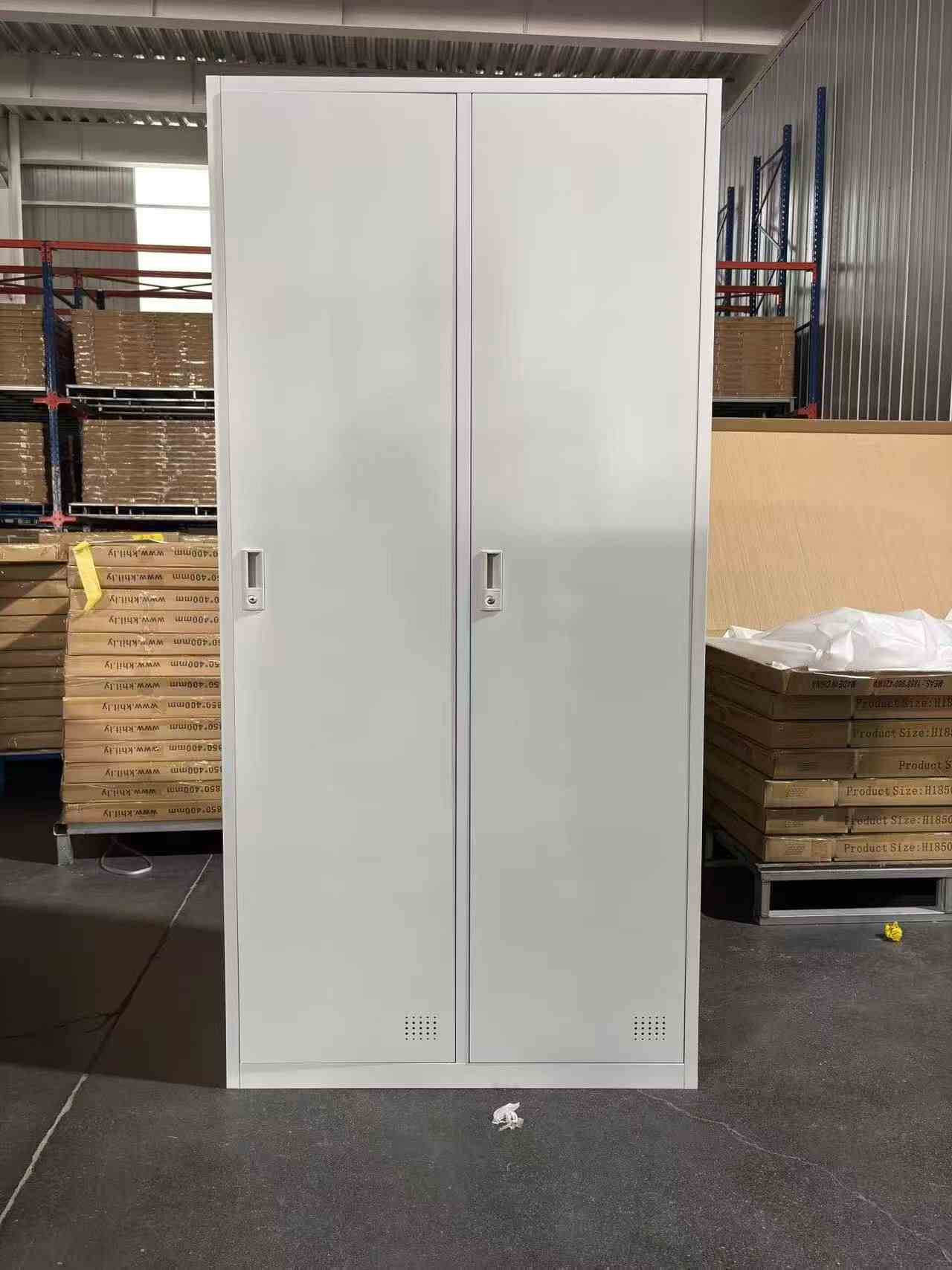
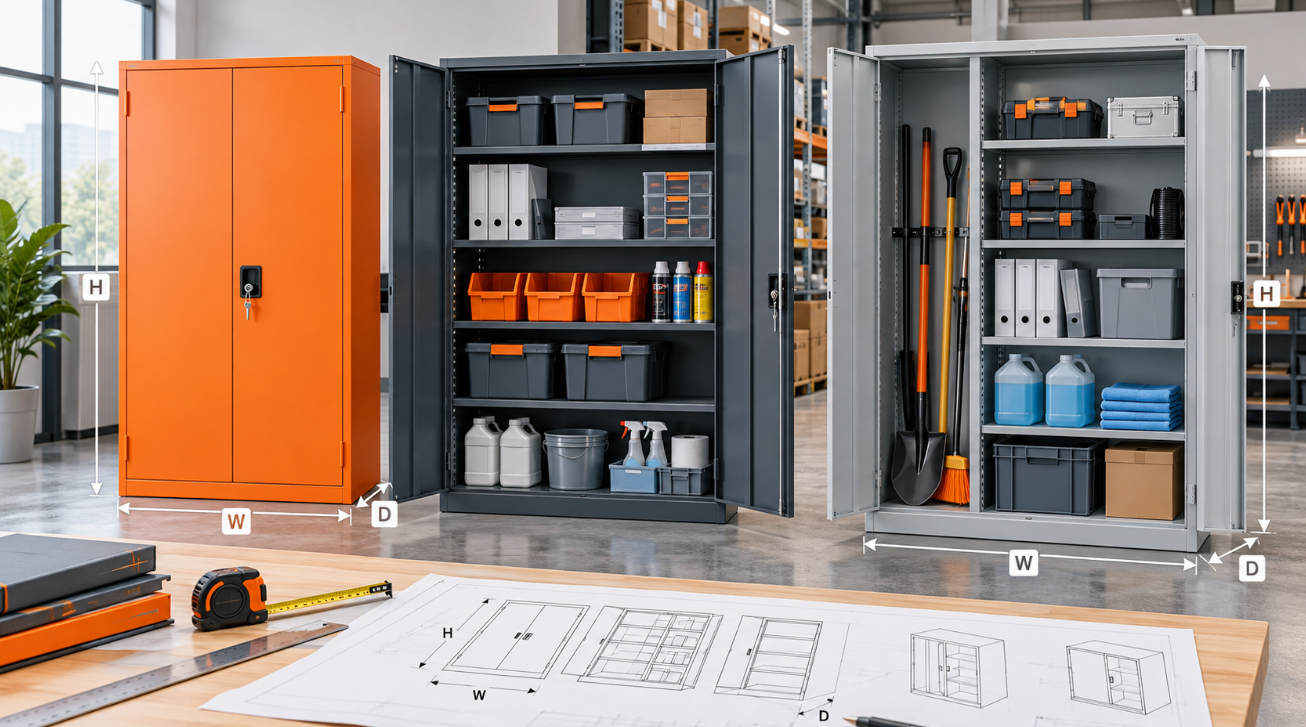
Static archive shelving consists of fixed steel shelving rows with adjustable levels. It works well for frequently retrieved records and several simultaneous users. The initial investment and ongoing mechanical maintenance are generally lower. Its principal drawback is the floor area consumed by permanently open working aisles. Even a well-arranged archive may dedicate significant space to circulation rather than boxes.What Is Mobile Archive Shelving?
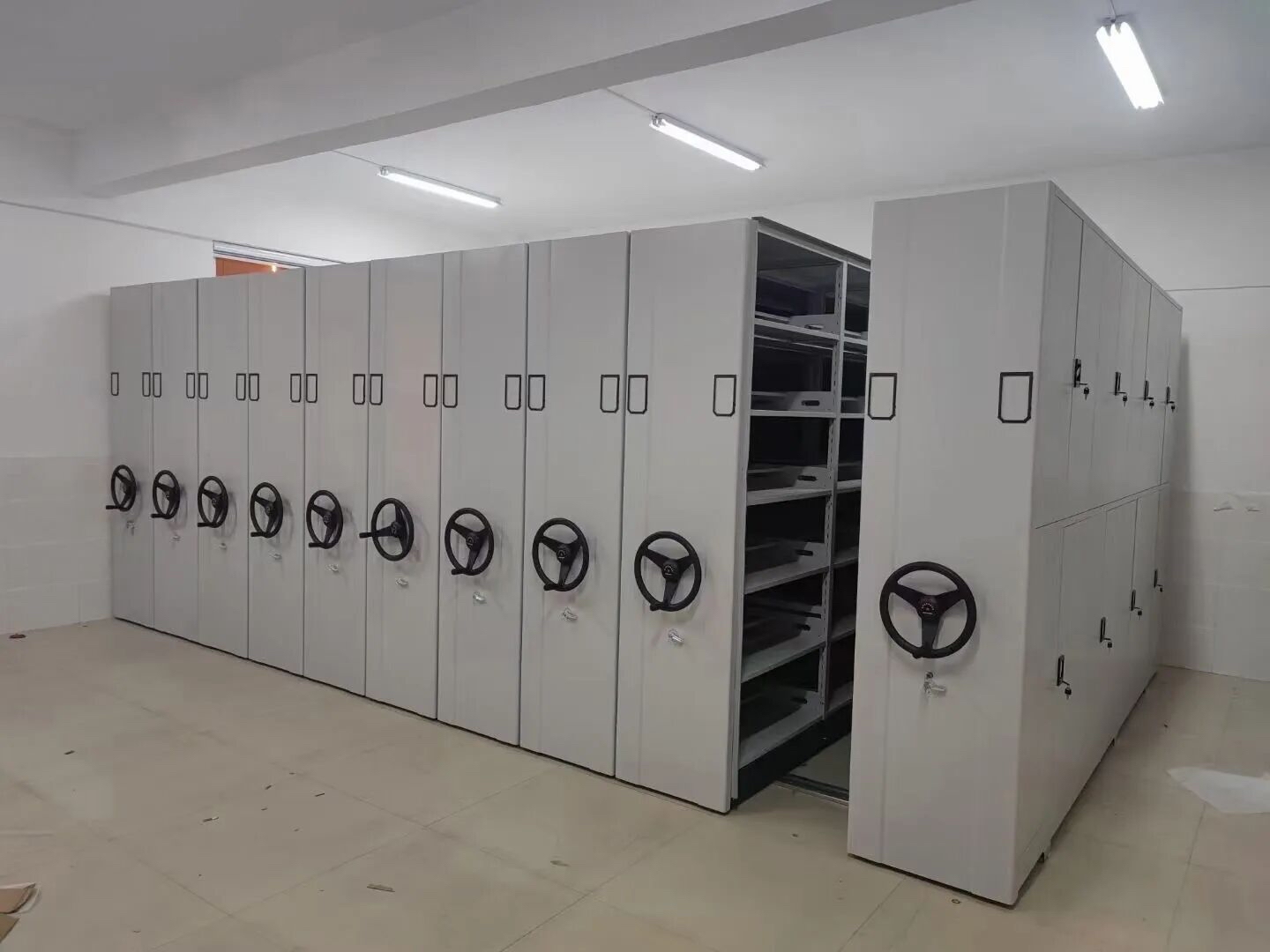
Mobile archive shelving mounts filing units on wheeled carriages guided by floor tracks. Rows move to open an access aisle where needed instead of keeping every aisle open. Systems can use manual handwheels or electric drives, with locking and suitable safety features. Mobile designs are especially useful where space is constrained or records are retrieved less frequently. The trade-offs are higher equipment and installation complexity, limited simultaneous aisle access, and rail/drive maintenance.Mobile vs. Static Shelving: Comparison at a Glance
| Factor | Static Shelving | Mobile Shelving |
|---|---|---|
| Permanent aisles | Multiple | Typically fewer |
| Potential storage density | Moderate | Higher |
| Up-front equipment cost | Usually lower | Usually higher |
| Concurrent access | Multiple aisles | Depends on opened aisles |
| Installation | Generally simpler | Tracks and carriages |
| Floor loading | Fixed supports | Concentrated wheel/rail reactions |
| Maintenance | Low mechanical complexity | Moving components require servicing |
| Typical fit | Frequent-use records | Dense long-term storage |
Explore KAYOU Mobile Archive Shelving
Manual and electric configurations can be customized to fit project dimensions, document loads and access requirements.
View Mobile Shelving Systems →Illustrative Storage Capacity Calculation
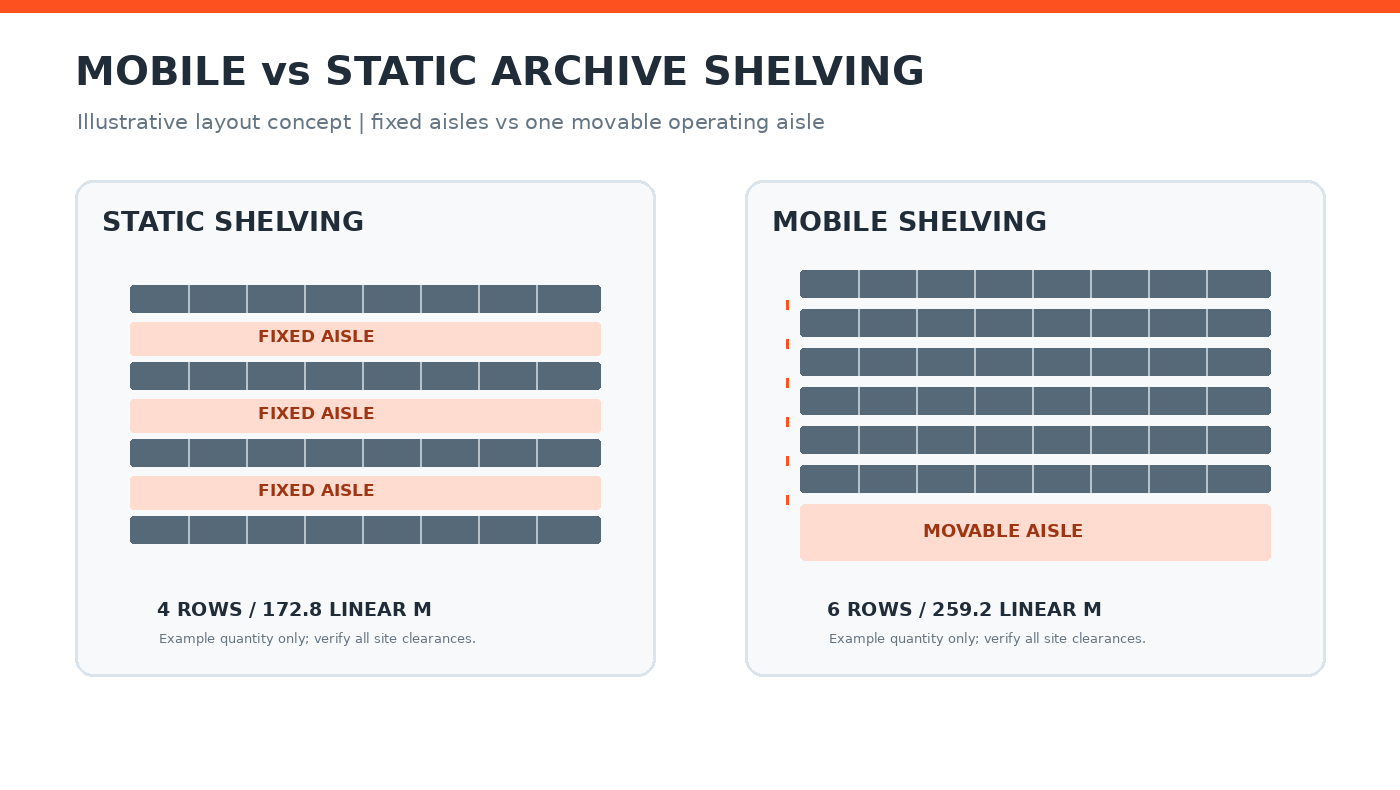
Suppose the preliminary design has four static double-sided rows versus six mobile double-sided rows. Both arrangements use four bays per row, 0.9 m usable shelf length per bay, six levels and two filing faces. Using the same shelf geometry isolates the capacity difference due to the assumed row count.Formula: Linear filing meters = rows × bays per row × usable shelf length × levels × filing faces.
STATIC: 4 × 4 × 0.9 × 6 × 2 = 172.8 linear m
MOBILE: 6 × 4 × 0.9 × 6 × 2 = 259.2 linear m
Illustrative increase: 50%.
MOBILE: 6 × 4 × 0.9 × 6 × 2 = 259.2 linear m
Illustrative increase: 50%.
These are illustrative row counts, not a verified fit within a particular room. Actual results must be checked against dimensioned plans, cross-aisles, access width, doors, end clearance, rail travel and fire/building requirements. No universal capacity improvement is guaranteed.
For document-box capacity calculations, read KAYOU's archive storage capacity guide.
Initial Price vs. Total Cost of Ownership
A low purchase price is not the same as low long-term cost. A useful total cost of ownership (TCO) model includes equipment, track or anchor installation, floor modifications, maintenance, downtime, repair and any genuinely avoidable space expense. The table below is a purely hypothetical USD example, not a KAYOU quotation or current market benchmark.| 10-year cost item | Static | Mobile |
|---|---|---|
| Equipment | $12,000 | $23,000 |
| Installation | $2,000 | $5,500 |
| Maintenance over 10 years | $1,500 | $5,500 |
| Direct 10-year total | $15,500 | $34,000 |
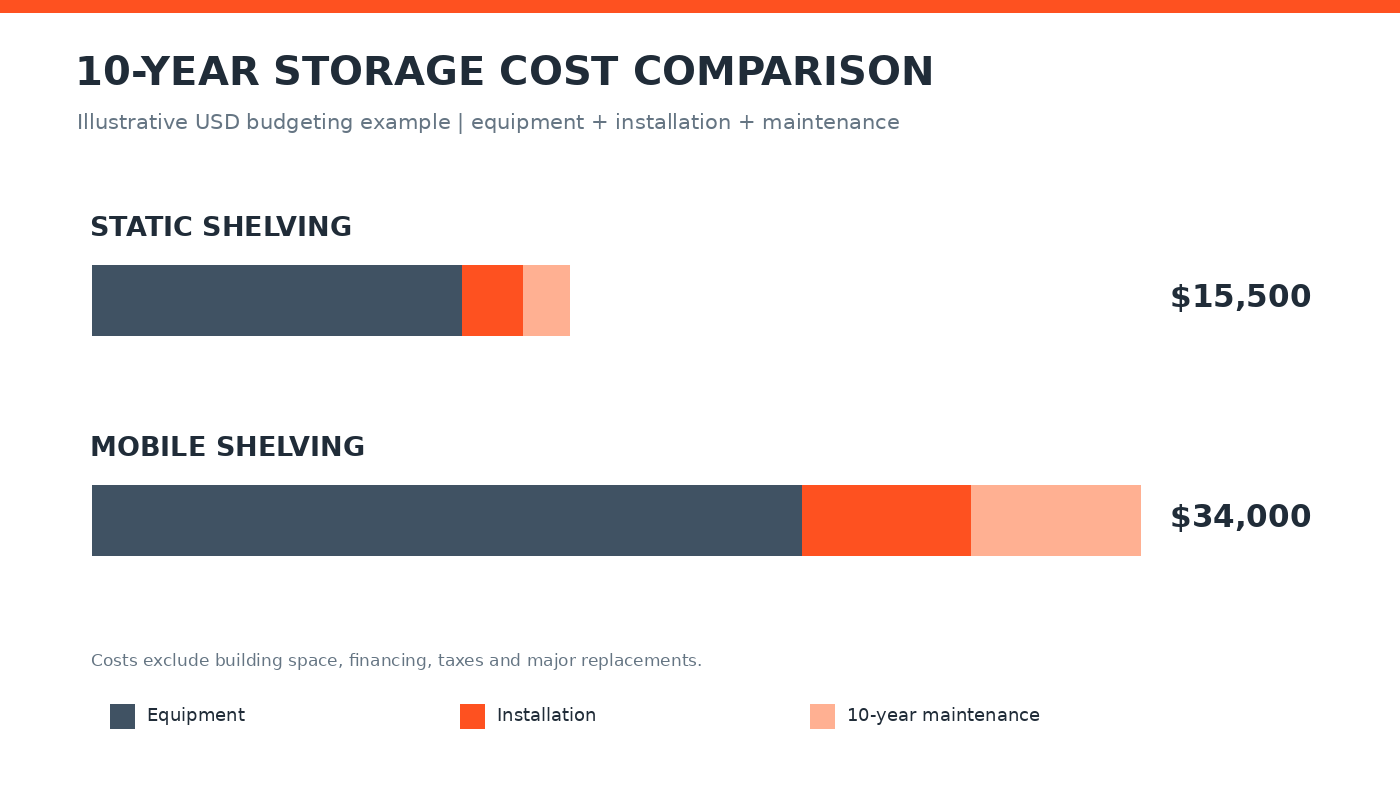
If compact shelving genuinely avoids leasing or construction cost, include that avoided expense in a project-specific business case. For instance, $14,500 extra initial cost offset by $1,980/year avoidable space cost and $400/year extra maintenance yields about 9.2 years simple break-even. This only applies if the space savings are real and monetizable.
Floor Loads and Rail Planning
Floor suitability is often the most important technical constraint in a mobile archive project. The load path is records → shelves → uprights → carriage → wheels → rails → floor. Average kilograms per square meter alone cannot establish structural suitability: wheel reactions, rail line loads, slab construction, deflection and support positions may govern design.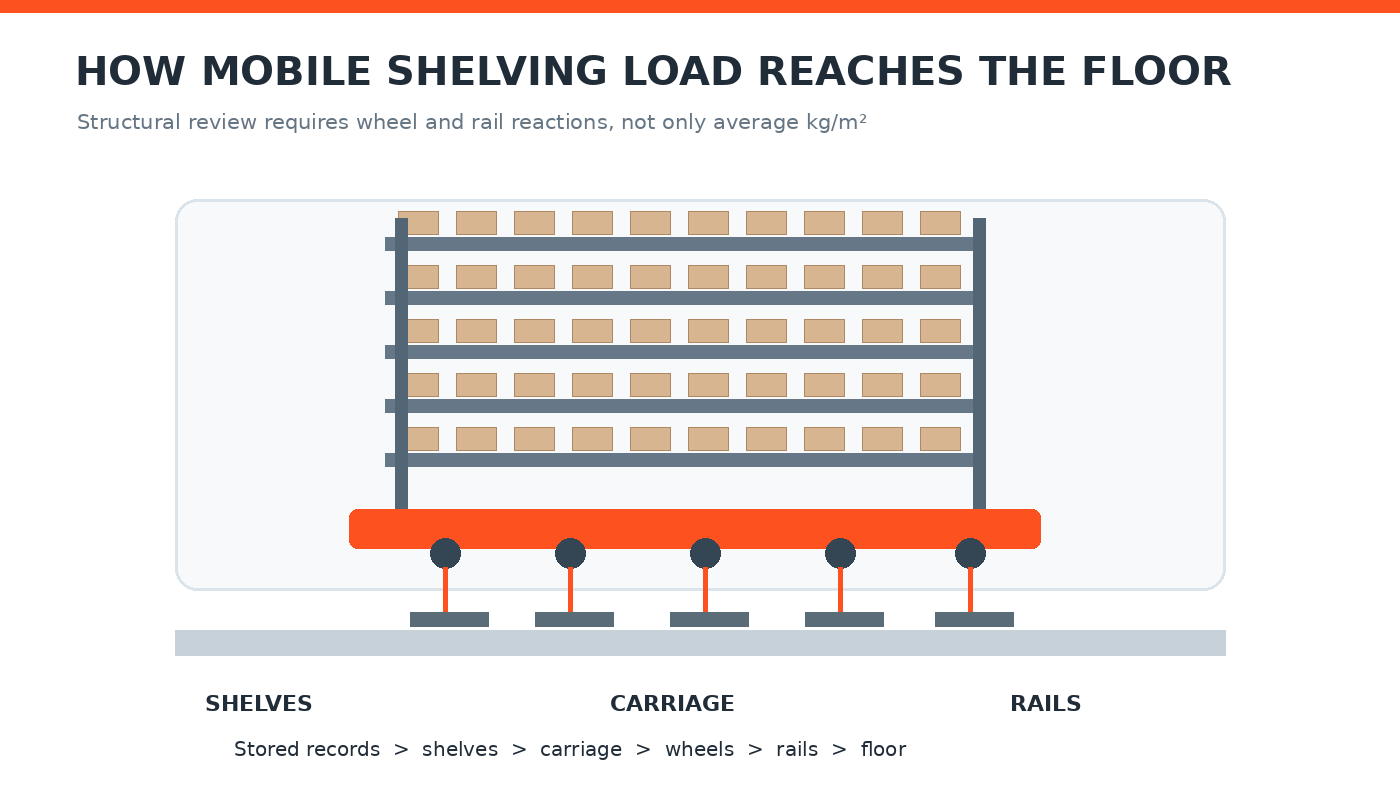
Ask the supplier for loaded carriage weights, rail positions, track options and relevant reactions. The building's responsible structural engineer must review the floor. See the KAYOU floor-load and track-layout guide.
Daily Access and Workflow
Fixed shelving gives multiple employees access to different aisles at once. It may be preferable for current records, reference collections and high-volume retrieval. In a compact system, opening one aisle may temporarily restrict another. Mobile shelving often performs best for inactive or occasionally accessed records. A hybrid arrangement—static shelves for active files and mobile rows for older archives—can balance density with retrieval efficiency. Confirm traffic patterns and accessibility before deciding.Manual vs. Electric Mobile Shelving
Manual systems use a handwheel or mechanical drive and generally have fewer electrical maintenance requirements. Electric systems can offer powered movement and model-dependent control and safety features but increase initial and service complexity. Choose based on carriage weight, frequency of use, available power, operators, and local accessibility rules. Explore the KAYOU Manual Mobile Shelving System.KAYOU Brazil Project: Reported Capacity Increase
KAYOU has published a Brazilian archive-room project where a custom mobile arrangement reportedly increased storage capacity by 80% compared with the client's prior cabinets and open shelves. This is a reported project result, not a standardized performance rating or a forecast for all facilities. The improvement depends on the original layout and final room design. Read the Brazil archive project case study.Which System Should You Choose?
| Buyer requirement | Good starting option |
|---|---|
| Lowest initial budget | Static |
| High density in limited room | Mobile |
| Multiple users at once | Static |
| Long-term inactive files | Mobile |
| Unknown floor strength | Investigate before either installation |
| Mixed active and inactive records | Hybrid |
For fair quotations, specify the same required usable filing meters, archive box dimensions and growth allowance in both alternatives, rather than comparing equal equipment counts.
Archive Shelving RFQ Checklist
| Requirement | Information to provide |
|---|---|
| Room dimensions | Length × width × clear height |
| Collection | Boxes, dimensions, loaded weights, linear meters |
| Growth | Estimated records increase and storage horizon |
| Access | Daily retrieval frequency and users |
| Floor | Slab / structural drawings if available |
| Layout obstacles | Doors, columns, sprinklers, fire exits |
| System preference | Static, manual or electric mobile |
| Trade terms | Destination and supply/installation scope |
Request a dimensioned drawing, BOM, loading assumptions, weight information, proposed rail details and maintenance terms before final approval.
Frequently Asked Questions
How much more storage does mobile shelving provide?
There is no fixed percentage. Improvements depend on aisle arrangement, shelves and room constraints. Every archive needs a dimensioned capacity study.
Is mobile shelving always cheaper over ten years?
No. Its direct ownership cost may be higher. Potential economic value depends on avoided space expenses and actual maintenance.
Can mobile shelving be installed on an existing concrete floor?
Possibly. The slab and supporting structure need assessment for rail and wheel reactions, levelness, fixing and local requirements.
Which option is better for frequently accessed documents?
Static shelving often supports several simultaneous users. Mobile shelving may better suit low-frequency archives.
Does KAYOU offer custom layouts?
KAYOU supplies customizable mobile shelving solutions based on room size, shelf configuration and project specifications. Final layouts and loads require approval.
Conclusion
The most economical archive storage system is not simply the lowest unit-price option. Compare usable filing capacity, retrieval workflow, installation scope, maintenance requirements, structural suitability and future growth. Static shelving is often a good fit for accessible records; mobile shelving may be a better use of scarce space. For many projects, a hybrid approach works well.KAYOU CUSTOM ARCHIVE STORAGE
Request a Free Archive Shelving Layout Review
Send room dimensions, document box sizes, required filing capacity and floor information. KAYOU can review your requirements and provide a preliminary configuration and quotation.
Contact KAYOUWhatsApp +86 158 3799 8881Author: KAYOU Storage Solutions Team | Updated October 2026. Illustrative capacity, costs and diagrams are not engineering approval. Confirm loading, clearance, and installation requirements for each project.