


Warehouse Space Optimization with Pallet Racking | KAYOU
For many packaging and manufacturing companies, the warehouse storage challenge is not always caused by extremely heavy products.
Lightweight but bulky materials—such as molded plastic components, packaging inserts, corrugated blanks, semi-finished parts and stacked trays—can occupy a large amount of floor space. When these materials are stored directly on the ground, warehouse aisles quickly become crowded and inventory becomes more difficult to identify, access and manage.
In 2026, warehouse operators are paying greater attention to space efficiency, operating costs, flexibility and automation readiness. CBRE’s latest logistics occupier research indicates that many businesses are looking for more efficient warehouse space rather than simply increasing their total footprint. Modern, well-powered and automation-compatible warehouses are also becoming more difficult to secure in key markets.
For manufacturers that need to improve an existing facility, a properly designed selective pallet racking system can provide a practical way to use vertical space without sacrificing direct access to stored materials.
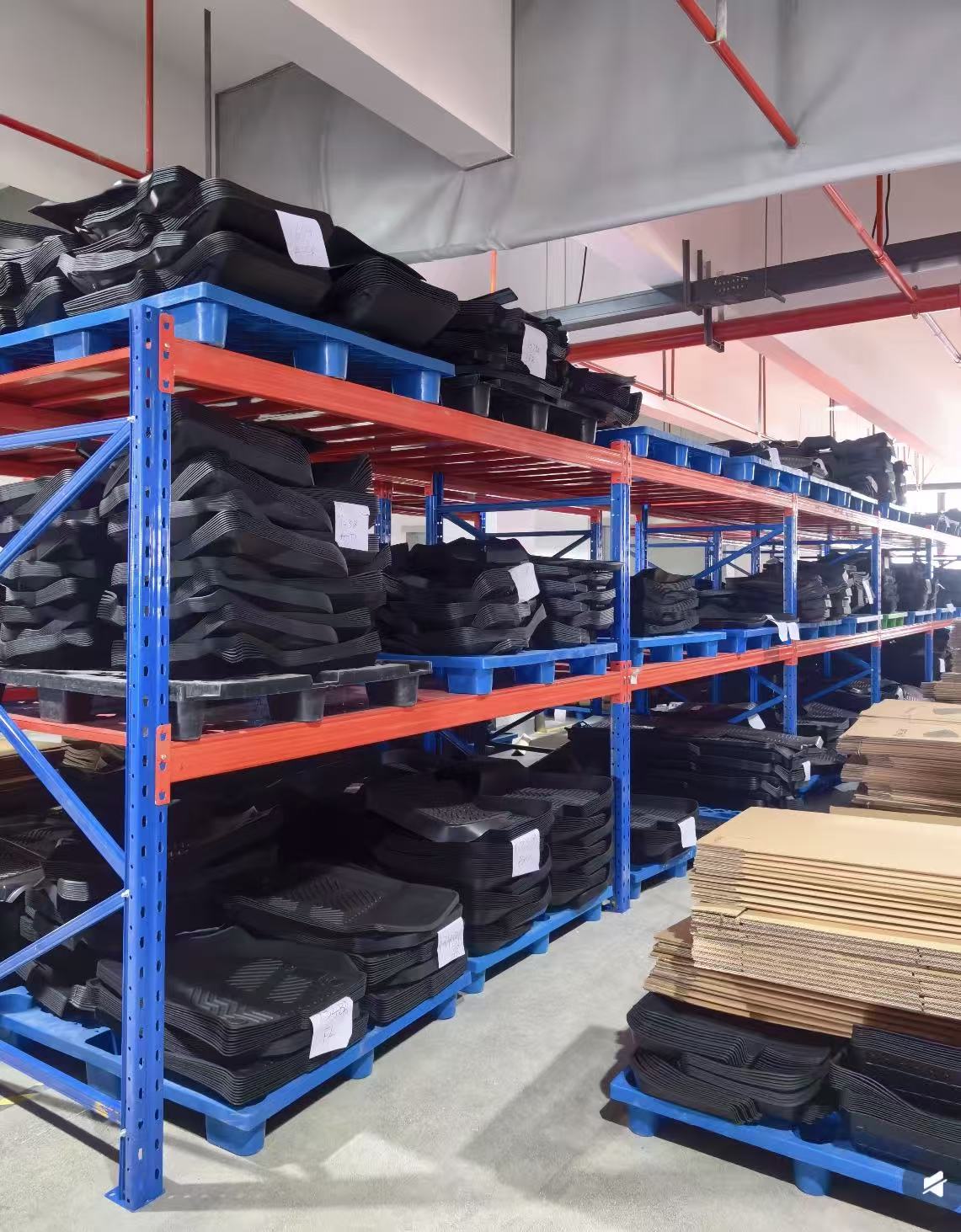
A Real Storage Challenge in Packaging Manufacturing
The warehouse shown in these project photos stores different types of packaging-related materials on plastic and wooden pallets.
The products vary considerably in:
Pallet dimensions
Stack height
Unit load
Material shape
Storage quantity
Handling frequency
Some materials are relatively lightweight but require a large pallet footprint. Others are bundled or stacked in irregular shapes, making direct floor stacking difficult to organize.
Without a structured storage system, these materials may occupy valuable production space, block handling routes or require frequent repositioning before the correct batch can be accessed.
The selective pallet racking system separates the inventory into clearly defined storage levels and pallet positions, allowing the warehouse to use both horizontal and vertical space more effectively.
Why Selective Pallet Racking Works for Bulky Materials
1. It Converts Unused Height into Storage Capacity
Many factories use most of their warehouse floor while leaving a significant amount of vertical space unused.
Pallet racking creates multiple storage levels above the floor. Instead of spreading pallets across production areas and aisles, the same materials can be stored vertically within an engineered rack structure.
The actual number of levels depends on:
Clear warehouse height
Pallet height
Load dimensions
Sprinkler clearance
Handling equipment
Required operating clearance
A good rack layout should increase capacity without making loading and retrieval unnecessarily difficult.
2. Every Pallet Can Remain Directly Accessible
Selective pallet racking provides direct access to each pallet position.
This is particularly useful for packaging manufacturers that manage multiple materials, specifications, colors or production batches. Warehouse workers do not need to remove several pallets before reaching the required inventory.
Direct pallet access can support:
Faster material replenishment
Clearer batch separation
Easier stock checking
More flexible SKU management
Simpler first-in, first-out procedures
Compared with high-density systems such as drive-in racking, selective pallet racking generally provides lower storage density but greater accessibility and operational flexibility.
3. Beam Levels Can Be Adjusted
Packaging materials may change according to customer orders, production cycles or seasonal demand.
Adjustable beam levels allow the storage configuration to be modified when pallet heights or product types change. This makes the system suitable for manufacturers that do not store only one standard pallet size.
However, beam positions should not be changed casually. Any major change in beam spacing, load level or rack configuration should be checked against the original rack design and supplier instructions.
4. It Can Accommodate Different Pallet Types
The project images show both plastic pallets and wooden pallets.
In the first storage area, steel decking is installed across the beams to provide additional support beneath plastic pallets and loads with smaller or less predictable contact points.
In the second area, standard wooden pallets are positioned directly across the load beams.
The correct support method depends on:
Pallet material
Pallet condition
Runner orientation
Pallet dimensions
Load distribution
Distance between beams
Risk of pallet deformation
Steel decking, pallet support bars or other accessories may be recommended when pallets cannot safely span the rack beams by themselves.
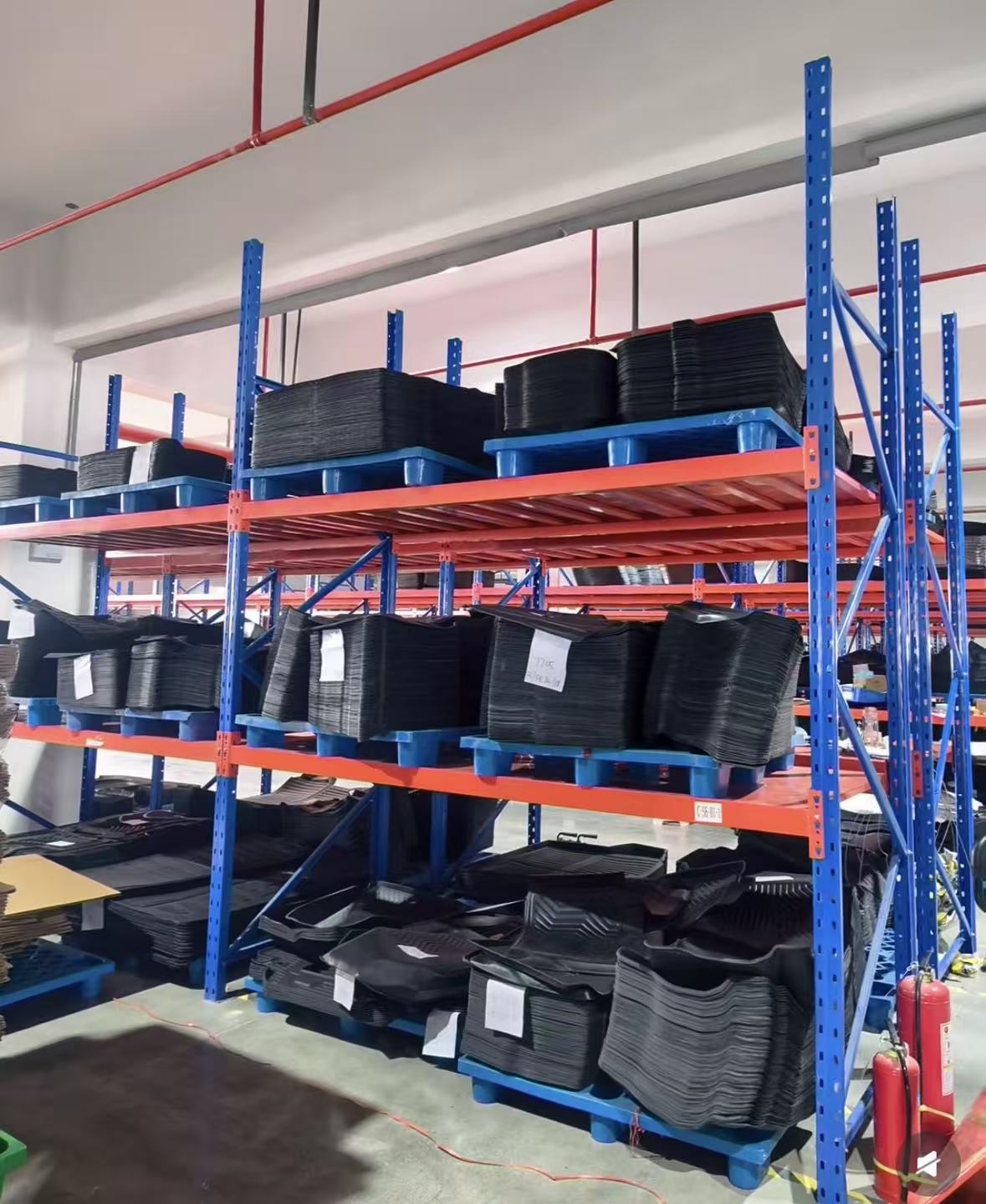
Steel Decking or Direct Pallet Support?
Choosing between steel decking and direct beam support should be based on the actual pallet and load—not only on appearance.
Direct Beam Support
Direct beam support is commonly used when:
The wooden pallet is structurally sound
The pallet runners sit correctly across the beams
The load is stable and evenly distributed
Pallet dimensions match the rack design
Steel Decking
Steel decking may be suitable when:
Plastic pallets are used
Pallet dimensions are inconsistent
Loads have smaller contact areas
Loose materials need secondary support
Operators require a more continuous storage surface
Steel decking should not be treated as a substitute for proper load calculations. Its profile, thickness, reinforcement and supporting span must still be selected according to the intended load.
Do Not Select Pallet Racking by Advertised Capacity Alone
One of the most common purchasing mistakes is comparing racks only by a single load-capacity number.
A pallet racking system is made up of several connected components:
Upright frames
Horizontal and diagonal bracing
Load beams
Beam connectors
Safety locks
Base plates
Floor anchors
Pallet supports or decking
The final capacity depends on how these components work together.
For example, a beam may be described as suitable for a certain uniformly distributed load, but the actual pallet may create concentrated loads in only a few locations. The pallet weight, product position and center of gravity can also affect rack performance.
Before confirming a design, the supplier should know the maximum weight of the goods and pallet combined, rather than only the average daily load.
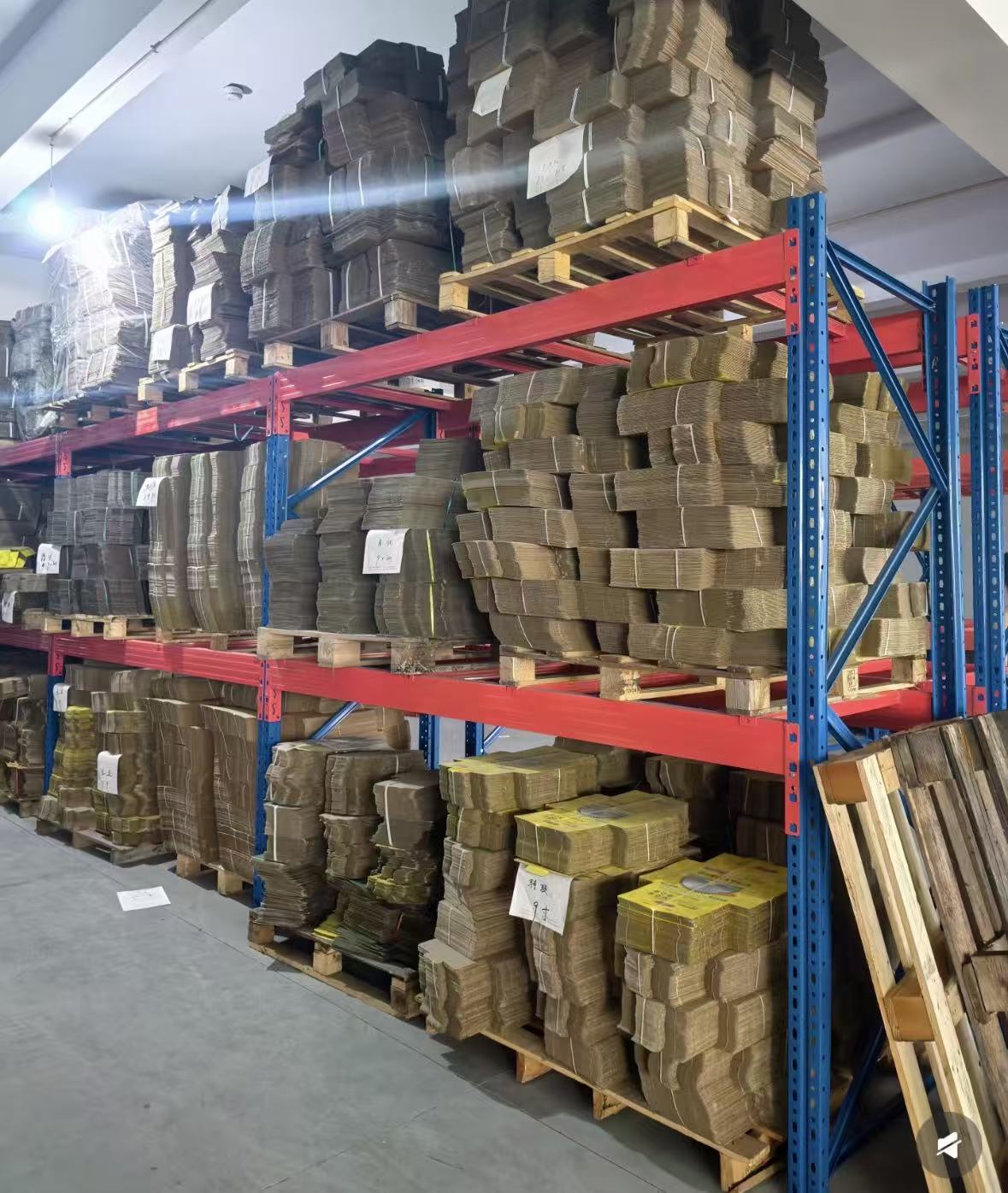
Important Design Information for a Pallet Racking Project
A reliable quotation should be based on actual warehouse and product information.
| Required information | Why it matters |
|---|---|
| Warehouse length, width and clear height | Determines the available rack layout |
| Column, door and aisle positions | Identifies physical restrictions |
| Pallet length, width and height | Determines beam length and level spacing |
| Maximum pallet load | Determines structural requirements |
| Pallet material and runner direction | Determines the support method |
| Number of pallet positions | Determines the required system capacity |
| Forklift type and turning radius | Determines aisle width |
| Loading frequency | Influences accessibility and layout |
| Local destination | Affects applicable standards and transport planning |
Providing this information early can reduce repeated design changes and prevent unsuitable configurations from being quoted.
Warehouse Safety Must Be Included in the Design
Improving storage density should never mean reducing warehouse safety.
OSHA states that stored materials must remain stable and secure against sliding or collapse, while storage areas and aisles should not create hazards.
A complete pallet racking project should consider:
Floor Anchoring
Upright frames should be secured according to the engineered design, floor condition and applicable local requirements.
Beam Safety Locks
Each beam connection should include the specified locking device to reduce the risk of accidental beam disengagement.
Upright Protection
Column guards and end-of-aisle barriers can help reduce damage caused by forklifts or pallet-handling equipment.
Load Notices
Rack load information should be clearly displayed so warehouse operators understand the approved pallet and bay capacities.
Regular Inspection
The warehouse team should check for:
Bent uprights
Damaged bracing
Deformed beams
Missing safety locks
Loose anchors
Damaged pallets
Unstable loads
Any rack that has been struck by handling equipment should be isolated and assessed before normal use continues.
Local building, fire, occupational safety and seismic requirements may vary, so the final design should be reviewed according to the project destination.
How KAYOU Develops a Customized Pallet Racking Solution
KAYOU does not recommend selecting a warehouse rack only from a standard product photo.
Our project process begins with the customer’s actual storage conditions.
Step 1: Collect Warehouse and Load Information
The customer provides warehouse dimensions, pallet information, load requirements, handling equipment and required storage quantity.
Step 2: Develop the Rack Layout
The rack rows, pallet positions, aisle widths and beam levels are arranged according to the available building space and operating workflow.
Step 3: Confirm the Technical Configuration
The upright section, beam specification, bracing, decking, anchors and protective accessories are selected according to the confirmed project requirements.
Step 4: Prepare Drawings and Quotation
KAYOU can provide layout drawings and technical details to help the buyer review the storage arrangement before production.
Step 5: Production and Quality Inspection
Steel components, welding or forming details, dimensions, beam connections, surface treatment and packaging can be checked according to the confirmed order documents.
Step 6: Export Packaging and Installation Support
Components are identified and packed for international transportation. Installation drawings and assembly guidance can also be prepared for the project team.
Suitable Applications
Selective pallet racking can be used in many industrial environments, including:
Packaging material factories
Injection-molding factories
Automotive parts warehouses
Electronics component storage
Textile and garment warehouses
Spare-parts distribution centers
E-commerce fulfillment warehouses
Third-party logistics facilities
Manufacturing raw-material warehouses
The correct structure should always be selected according to the actual pallet load, access frequency and warehouse workflow.
Frequently Asked Questions
What is the difference between pallet racking and long-span shelving?
Pallet racking is primarily designed for palletized goods handled by forklifts or other material-handling equipment.
Long-span shelving is normally used for cartons, bins and individual products that are loaded manually. The two systems have different beam structures, load assumptions and operating methods.
Can pallet racking be used for lightweight but bulky products?
Yes. Lightweight products can still consume substantial warehouse space.
The rack must be designed according to the pallet dimensions, load distribution, stack stability and support requirements—not simply the total product weight.
Can plastic pallets be stored on pallet racks?
Plastic pallets can be used, but their runner design, stiffness, temperature behavior and beam contact points should be checked.
Steel decking or pallet support bars may be required when the plastic pallet cannot safely span the load beams.
Is steel decking required on every pallet rack?
No.
Standard wooden pallets can often be stored directly on correctly positioned beams. Steel decking is normally added when the pallet type, load shape or operating requirements need additional support.
What information is required for an accurate quotation?
Please provide:
Warehouse dimensions
Pallet dimensions
Maximum load per pallet
Pallet quantity
Required storage levels
Forklift type
Warehouse layout
Project destination
Photos, videos or existing warehouse drawings can also help KAYOU prepare a more practical layout.
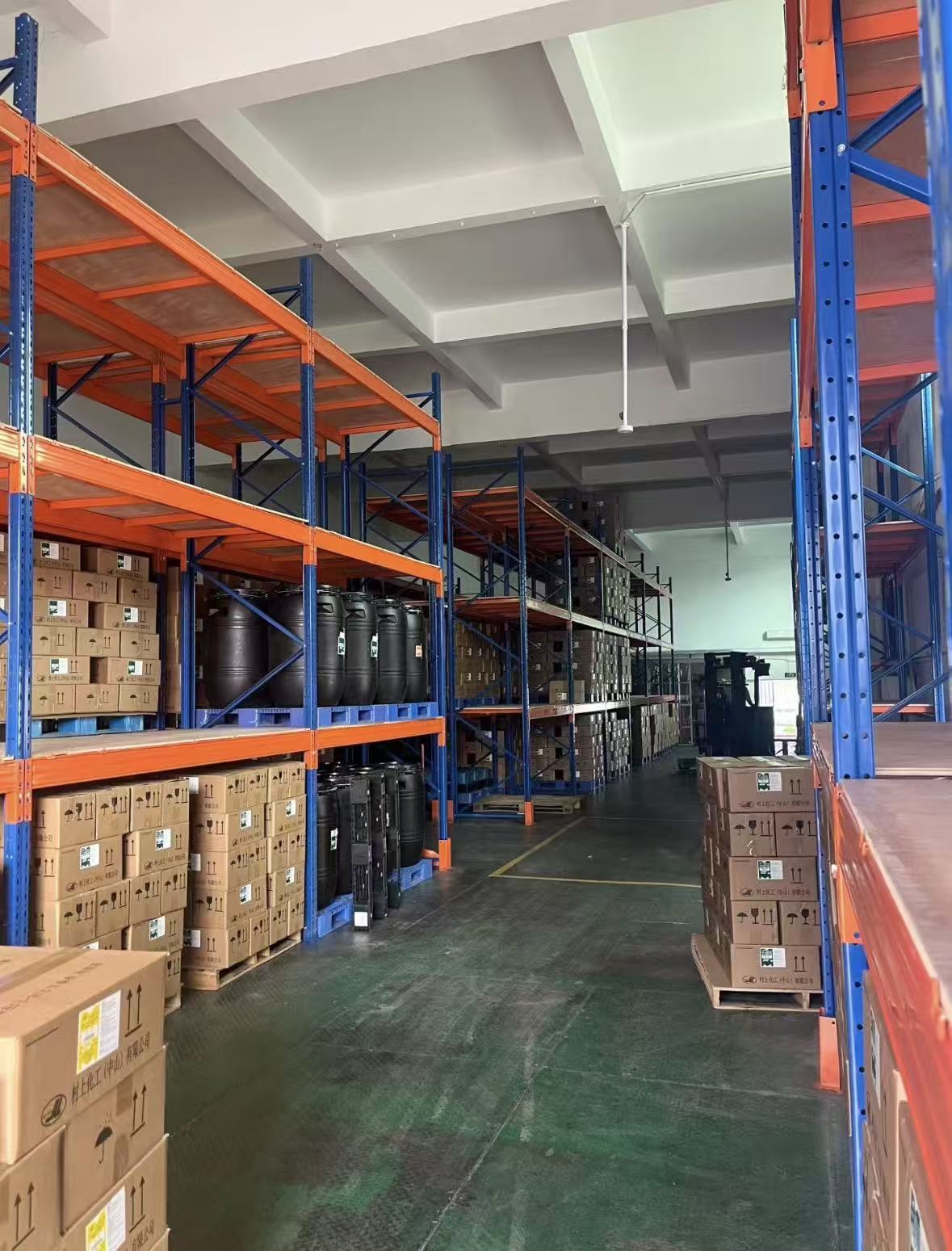
Build a Safer and More Efficient Warehouse
A pallet racking project should do more than add steel structures inside a building.
It should improve space utilization, provide clear access to inventory, support daily material handling and create a safer storage environment for warehouse employees.
KAYOU provides customized pallet racking solutions for manufacturing plants, packaging factories, warehouses and distribution projects. Send us your pallet dimensions, maximum load, warehouse size and required storage quantity to receive a suitable rack configuration.
Need a Custom Pallet Racking Solution?
Send us your warehouse dimensions, pallet size, maximum load and required pallet positions. The KAYOU team will help you prepare a practical rack configuration and quotation.