
How Rising Container Freight Rates Affect Steel Racking Import Costs
Understand the real landed cost of imported steel racking—and learn how smarter packaging, loading and quotation planning can protect your budget.
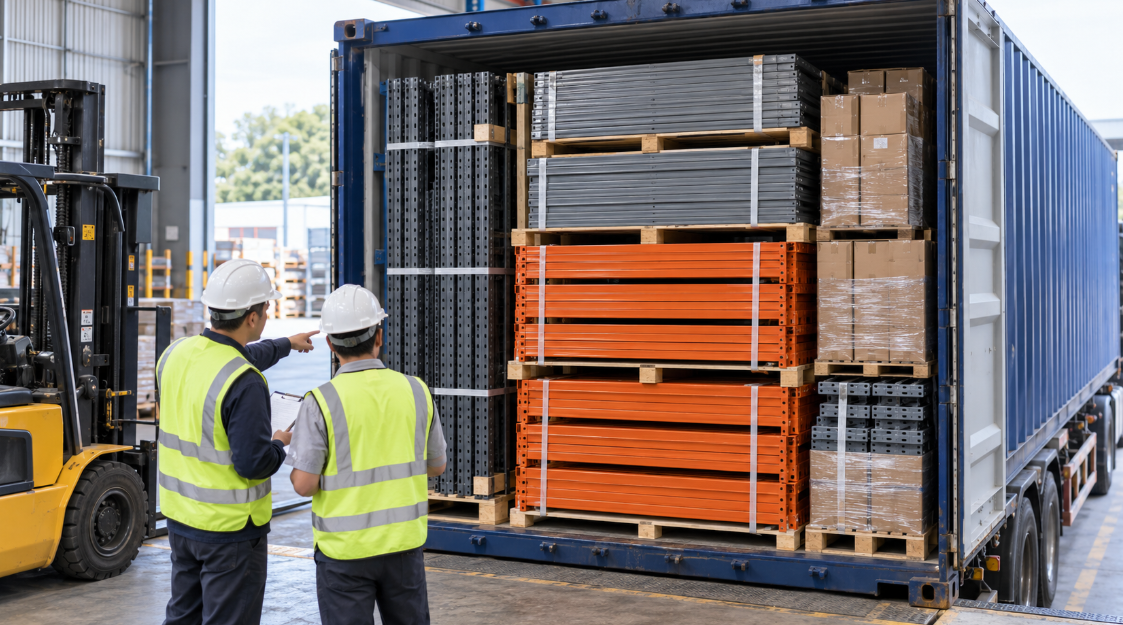
For international buyers, the factory price is only one part of the true cost of importing steel racking. Because shelving systems are large, heavy and usually shipped by sea, changing container freight rates can significantly affect the final landed cost—even when the product price remains unchanged.
Recent volatility illustrates the risk clearly. In September 2026, spot rates from China to the U.S. East Coast approached historically high levels, driven by fuel costs, carrier surcharges, geopolitical disruption and pre-holiday shipping demand. This means importers must evaluate not only the price per rack, but also container utilization, packaging volume, shipping terms and destination charges.
This guide explains how freight rates affect steel racking import costs and what buyers can do to control them.
1. What Is the Landed Cost of Steel Racking?
The landed cost is the total amount paid to bring the racking from the supplier’s factory to the buyer’s warehouse.
A simplified formula is:
Landed Cost = Product Cost + Export Charges + Ocean Freight + Insurance + Import Duty + Customs Clearance + Destination Charges + Inland Delivery
For steel racking, the main cost components normally include:
Factory price of the racks
Export packaging
Transportation from the factory to the Chinese port
Customs declaration and port charges
Ocean freight
Marine insurance
Import duty and applicable taxes
Destination terminal and documentation charges
Delivery from the destination port to the project site
Unloading and installation
When ocean freight rises, the increase affects the total project cost and the landed cost of every rack loaded into the container.
2. Why Steel Racking Is Sensitive to Freight Rates
Steel racking is relatively heavy, but shipping volume is often the more important limitation.
A container may reach its volume limit before reaching its maximum permitted weight. This is especially common with:
Assembled or partially assembled shelving
Deep shelves and wide frames
Welded end frames
Cabinets shipped without knock-down packaging
Poorly nested beams, panels and accessories
Products packed with excessive empty space
For example, consider a 40HQ container carrying 360 shelving units:
| Cost item | Normal freight | Higher freight |
|---|---|---|
| Product value | US$10,980 | US$10,980 |
| Ocean freight | US$5,000 | US$10,000 |
| Freight cost per unit | US$13.89 | US$27.78 |
| Product + freight per unit | US$44.39 | US$58.28 |
In this simplified example, a US$5,000 freight increase raises the cost of each unit by approximately US$13.89 before duties and local charges.
If packaging improvements allow 400 units instead of 360 to fit into the same container, a US$10,000 freight charge would fall from US$27.78 to US$25 per unit. For a high-volume order, even a small reduction in freight cost per unit can produce meaningful savings.
3. Freight Rates Affect Different Racking Systems Differently
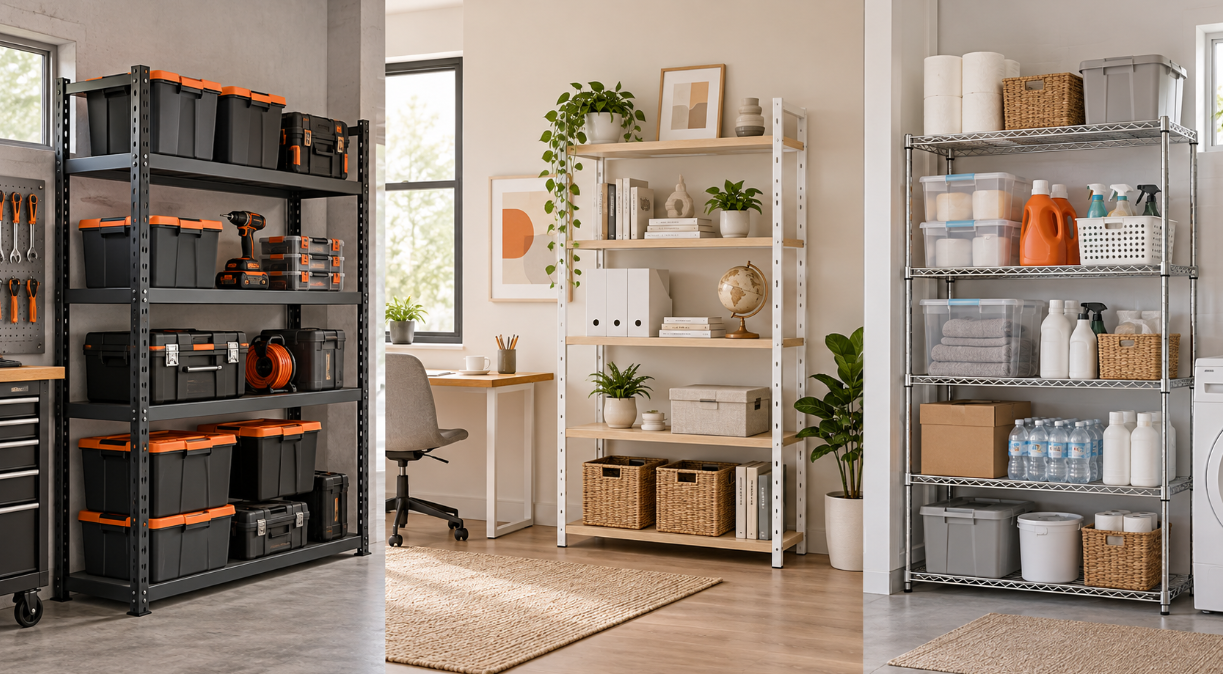
Boltless and Medium-Duty Shelving
Knock-down boltless shelving can usually be packed efficiently. Uprights, beams and shelf panels can be stacked or nested separately, helping maximize container utilization.
The buyer should ask for:
Packaging dimensions
Gross and net weight
CBM per unit
Units per 20GP, 40GP and 40HQ
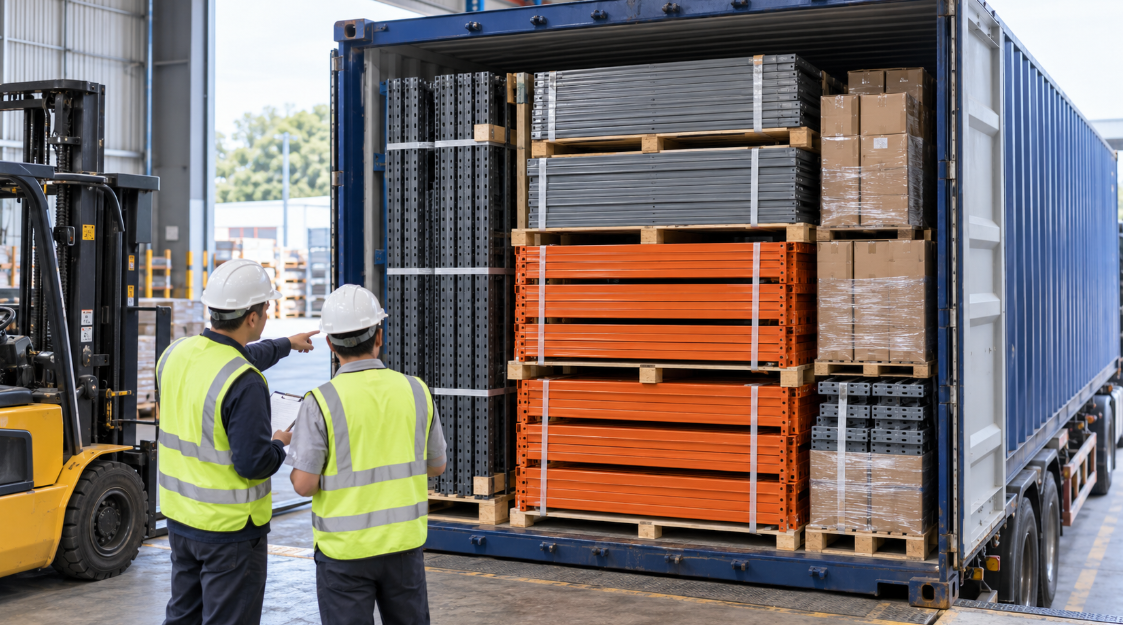
Loading photos from similar orders
Pallet Racking
Pallet-racking components are long and heavy. Upright frames, beams and bracing components require careful loading plans.
Long components may reduce space utilization or require special container arrangements. Buyers should confirm the maximum component length and whether the order can be loaded into a standard dry container.
Mobile Shelving Systems
Mobile shelving contains bases, tracks, shelves, transmission components and safety accessories. The steel weight can be high, so container payload may become the limiting factor.
Suppliers should calculate both:
Total shipping volume
Total gross container weight
For large projects, the tracks and mobile bases may need to be distributed across containers to maintain safe loading.
Steel Cabinets and Lockers
Welded cabinets occupy considerable space. Knock-down cabinets can often reduce CBM and freight cost, but the buyer must also consider assembly time and local labor expenses.
A lower freight cost is not automatically the lowest total cost if assembly is complicated or requires specialized workers.

4. How Shipping Terms Change the Buyer’s Cost Risk
The selected Incoterm determines which costs are included in the supplier’s quotation.
EXW
The buyer collects the goods from the factory and manages almost the entire shipping process.
This provides control but requires experience with Chinese domestic transportation, export clearance and international freight.
FOB
The supplier delivers the goods on board the vessel at the agreed Chinese port. The buyer arranges ocean freight and destination services.
FOB is often suitable for experienced importers with their own freight forwarders.
CIF
The supplier arranges ocean freight and insurance to the destination port. However, CIF normally does not include every destination charge or delivery to the buyer’s warehouse.
Buyers should confirm:
Destination terminal handling charges
Documentation fees
Customs-clearance fees
Import duties and taxes
Port storage or demurrage
Inland delivery
Unloading expenses
A low CIF quotation does not necessarily mean a low final landed cost. Destination charges should always be checked before confirming the order.
5. Why Freight Quotations Have Short Validity Periods
During a volatile market, freight quotations may remain valid for only a few days.
Rates can change because of:
Fuel-price fluctuations
Carrier capacity adjustments
Port congestion
Peak-season demand
Vessel schedule changes
Geopolitical disruption
Canal restrictions
New carrier surcharges
Public holidays and factory shutdowns
Buyers should not assume that a freight rate provided during the inquiry stage will remain unchanged several weeks later.
For accurate budgeting, request an updated freight quotation immediately before placing the order or booking the vessel. The product price and freight price should be listed separately so changes are easy to identify.
6. How Buyers Can Reduce Steel Racking Import Costs
Choose Knock-Down Packaging
A well-designed knock-down structure can reduce shipping volume while maintaining load capacity and installation reliability.
For steel shelving, KAYOU can evaluate how uprights, beams, shelf panels and accessories should be separated and nested for container loading. Buyers can also review our guide to export packaging for knock-down steel furniture for related CBM and protection considerations.
Compare Container Options
A 40HQ container often offers a lower freight cost per cubic metre than a smaller container, provided the order quantity is sufficient.
However, the best choice depends on:
Total CBM
Gross weight
Product length
Available warehouse space
Inventory requirements
Local sales speed
Optimize the Product Mix
Different products can sometimes be combined in the same container. Smaller accessories or compact cabinets may be loaded into otherwise unused spaces around large racking components.
The loading plan must still protect the products and comply with container weight limits.
Avoid Unnecessary Packaging Volume
Packaging must protect the goods, but oversized cartons and excessive gaps increase freight cost.
Good export packaging should balance:
Product protection
Moisture resistance
Surface protection
Forklift handling
Container efficiency
Ease of unloading
Consolidate Orders
If several models or project phases are confirmed within a similar period, consolidating them may reduce the freight cost per unit. Buyers should compare this saving with the cost of holding additional inventory.
Confirm Destination Costs in Advance
Request a breakdown from the destination agent before shipment. This helps prevent unexpected terminal, customs, storage and delivery charges.
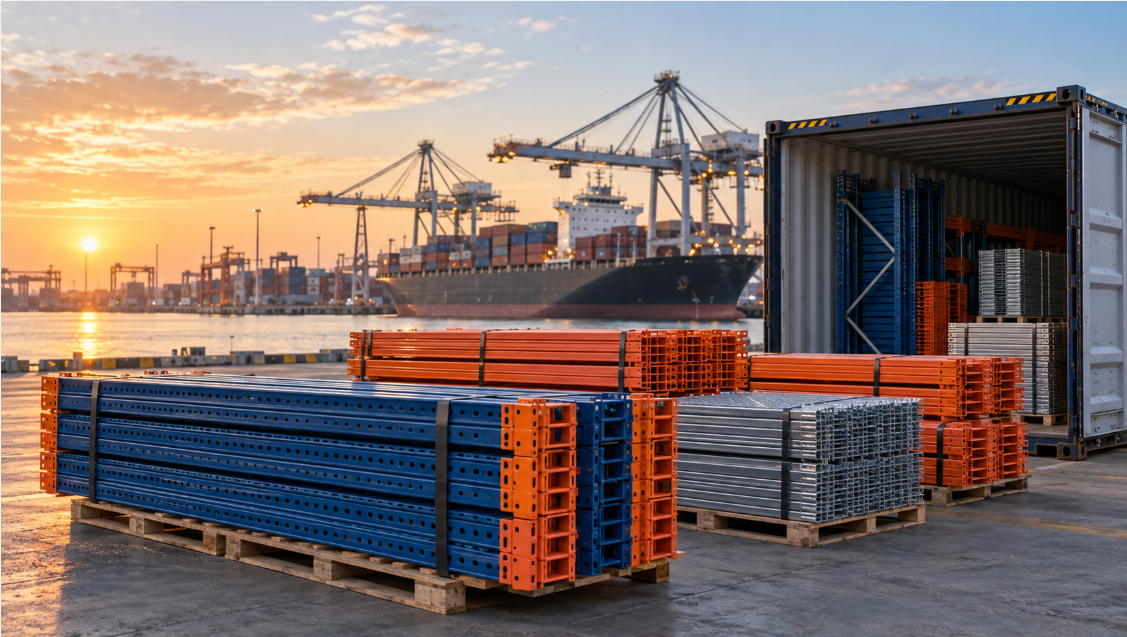
7. Information to Request Before Comparing Suppliers
Two suppliers may offer similar factory prices but very different landed costs. Before making a decision, ask each supplier to provide:
Unit price and Incoterm
Product net and gross weight
Packaging dimensions
CBM per unit
Quantity per container
Total container weight
Port of loading
Freight validity period
Estimated destination charges
Loading method and packaging photos
Assembly and installation requirements
Spare-parts list
Comparing only the unit price can be misleading. A slightly higher-priced rack with stronger construction and more efficient packaging may have a lower landed cost per storage position.
8. Calculate Cost per Storage Position—not Only Cost per Rack
Professional buyers should compare the cost of usable storage capacity.
A more practical formula is:
Cost per Storage Position = Total Landed Project Cost ÷ Total Usable Storage Positions
For manual-picking shelving, buyers can also calculate:
Cost per shelf level
Cost per carton position
Cost per square metre of storage area
For pallet racking, compare:
Cost per pallet position
Cost per bay
Cost per tonne of rated capacity
This method makes it easier to compare different layouts, bay widths and starter-plus-add-on configurations.
9. How KAYOU Helps Buyers Control Freight Costs
KAYOU manufactures customizable warehouse racking systems, mobile shelving systems and steel furniture for global B2B projects. Before quotation confirmation, our team can help buyers evaluate:
Product dimensions and load requirements
Knock-down structure
Starter and add-on bay combinations
Packaging CBM
Container-loading quantity
Component weight
Loading plan
FOB, CIF and EXW options
Installation and spare-parts requirements
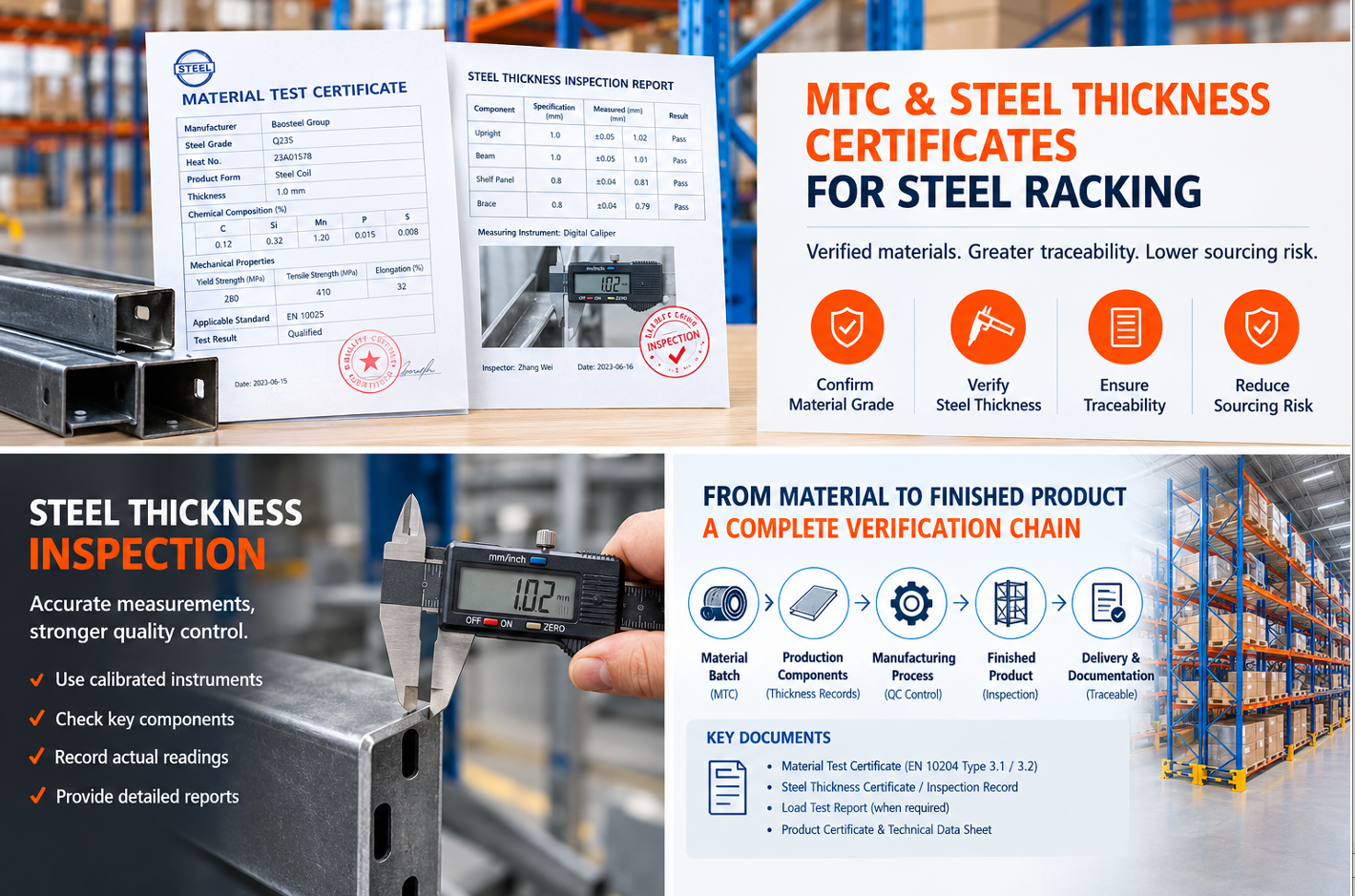
We can also provide material certificates, thickness confirmation, technical drawings and third-party inspection support according to project requirements.
Conclusion
Rising container freight rates can significantly change the economics of a steel-racking order. The effect is especially serious when products are poorly packed, containers are not fully utilized or destination charges are not confirmed in advance.
The best purchasing decision should therefore consider both the factory price and the total landed cost. Efficient knock-down design, accurate CBM calculations, optimized loading and transparent freight quotations can reduce risk and improve the cost of each usable storage position.
Related KAYOU Resources
Planning a Steel-Racking Import Project?
Send KAYOU your warehouse dimensions, required load capacity, destination port and estimated quantity. Our team can prepare a suitable racking proposal, container-loading estimate and shipping-cost comparison.