
Metal Warehouse Shelves & Racks: Bulk Buying Guide | KAYOU
KAYOU / B2B BUYING GUIDE
Metal Warehouse Shelves and Racks: A Buying Guide for B2B Buyers
Buying metal warehouse shelves and racks starts with the goods you store and how people handle them. Carton picking, parts storage and full-pallet storage need different specifications. A useful quotation connects those requirements to a clearly identified configuration.
Use this guide to choose a storage type, check dimensions and load information, compare supplier offers and prepare a bulk-order inquiry.
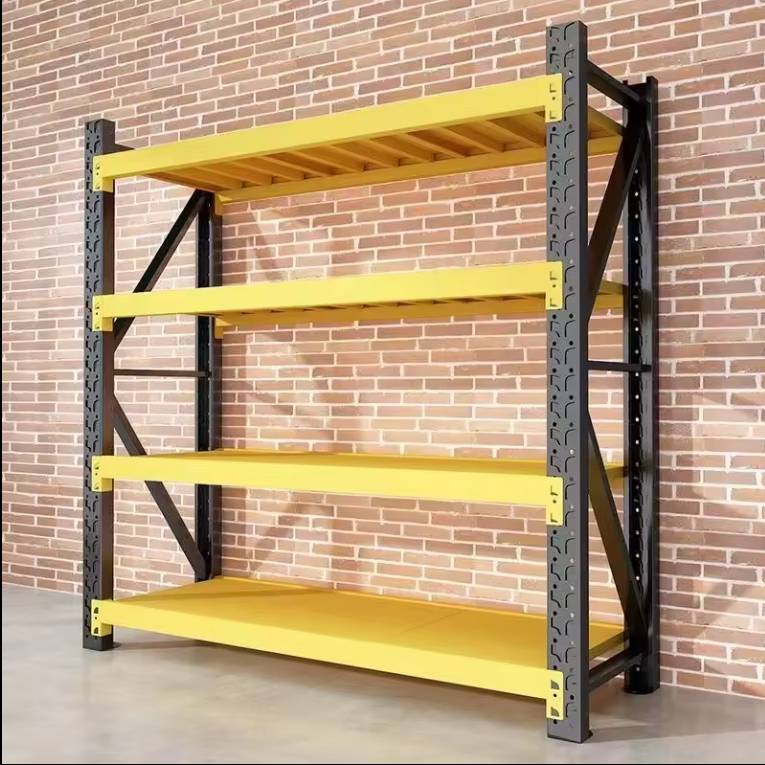
Product reference from KAYOU: check the usable openings, connections and shelf arrangement for the configuration you order.
Start with these purchasing decisions
What will you store? How will it be loaded? What usable space is required? Which loads must the configuration support? What exactly belongs in the supplier's price?
In this buying guide
1. Choose a storage type / 2. Confirm specifications / 3. Compare components
4. Compare quotes / 5. Review evidence / 6. Plan delivery
7. Purchasing FAQs / 8. Prepare your inquiry
1. Which Metal Warehouse Shelves or Racks Fit Your Storage Needs?
Describe your storage operation before selecting a product name. Labels such as “heavy duty” do not identify the complete configuration, handling method or rated load.
| Storage operation | Option to discuss | Information to provide |
|---|---|---|
| Hand-picked cartons, bins and loose parts | Adjustable steel shelving | Item dimensions, maximum weights, shelf arrangement and picking access |
| Full pallets handled by forklift | Pallet racking | Loaded pallet dimensions, gross weights, pallet base and truck details |
| Carton picking with separate pallet reserves | A coordinated shelving and racking layout | Storage positions for each area and replenishment routes |
Shelving for cartons, bins and parts
For manual picking, review the space available to insert and remove each item. Include bin handles, carton lids, dividers and the way operators reach the goods. Browse KAYOU adjustable metal shelving when preparing your specification.
Racking for full pallets
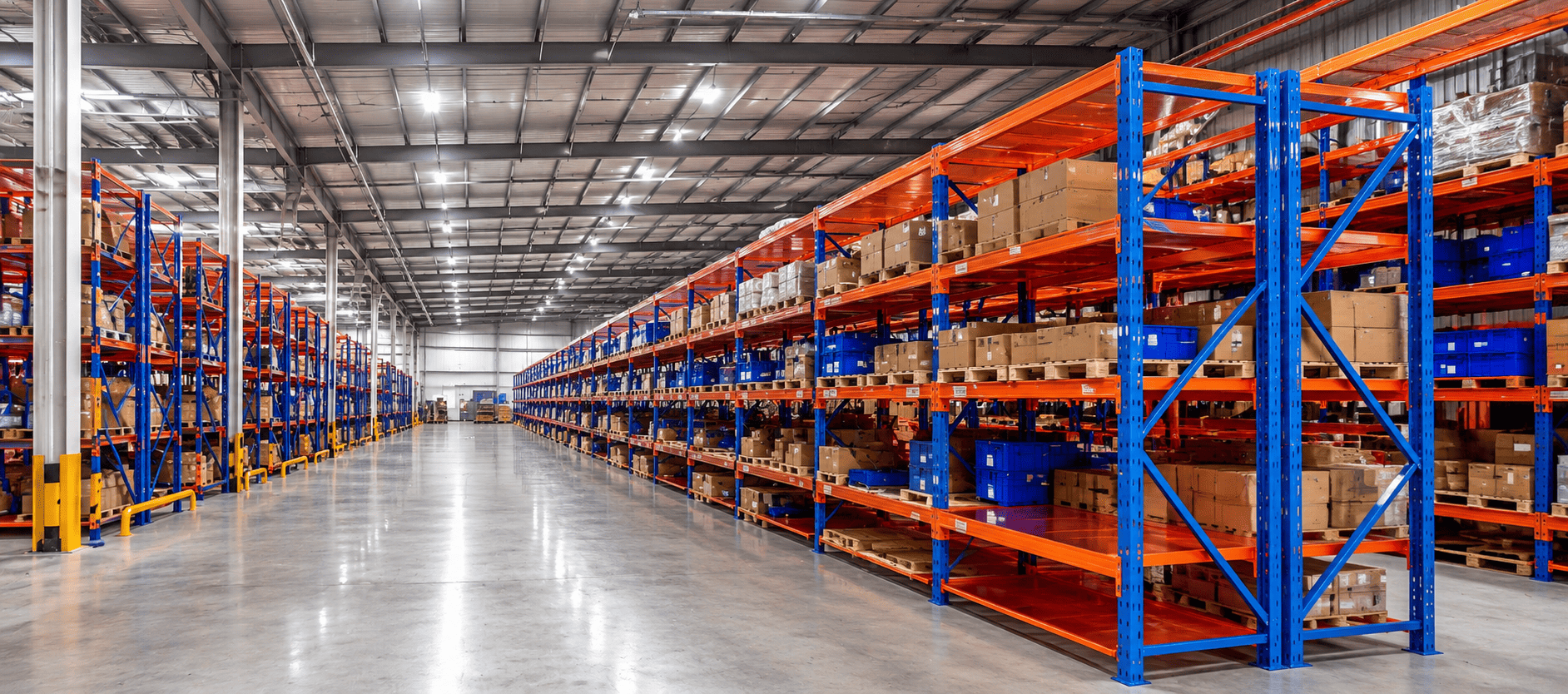
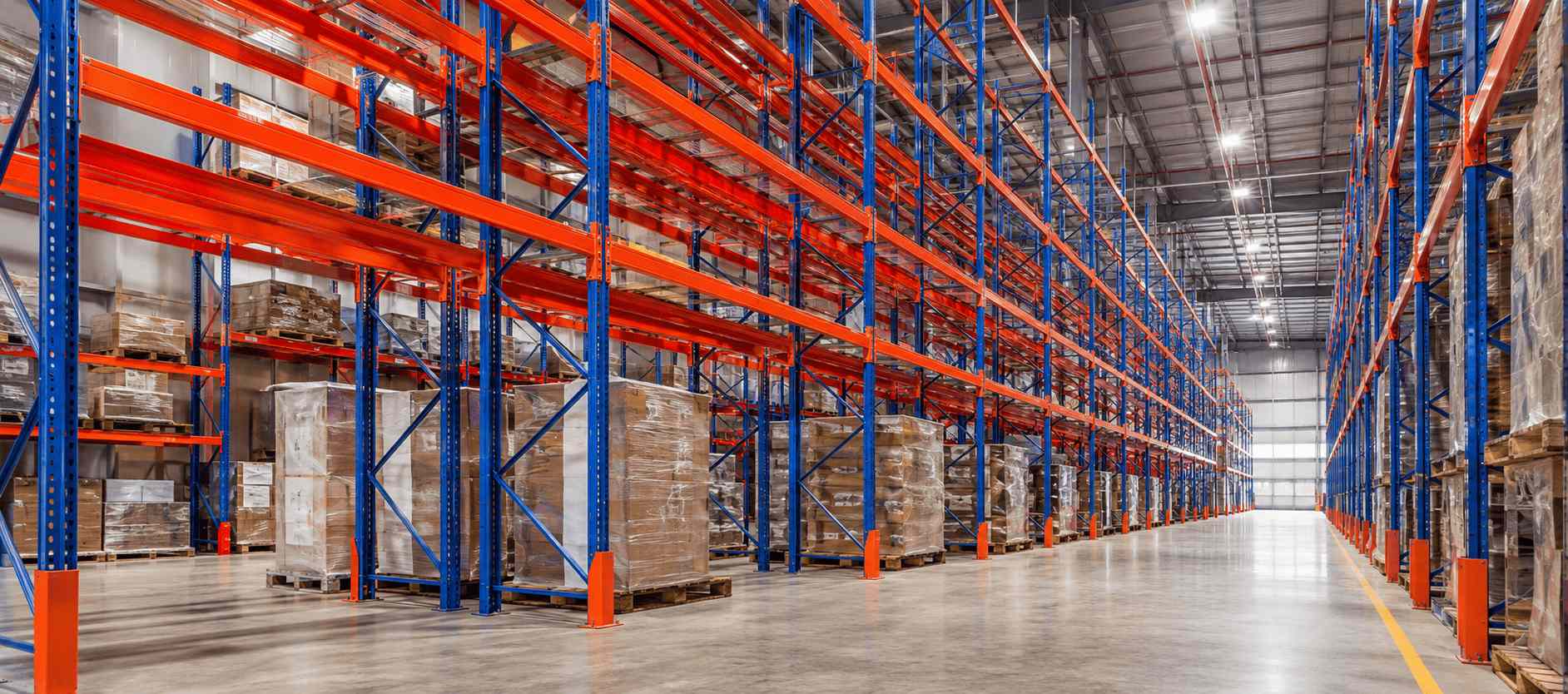
For forklift-loaded storage, identify the pallet and load together. Include any overhang and show how the pallet base will be supported. Review the relevant project inputs on the warehouse pallet racking product page.
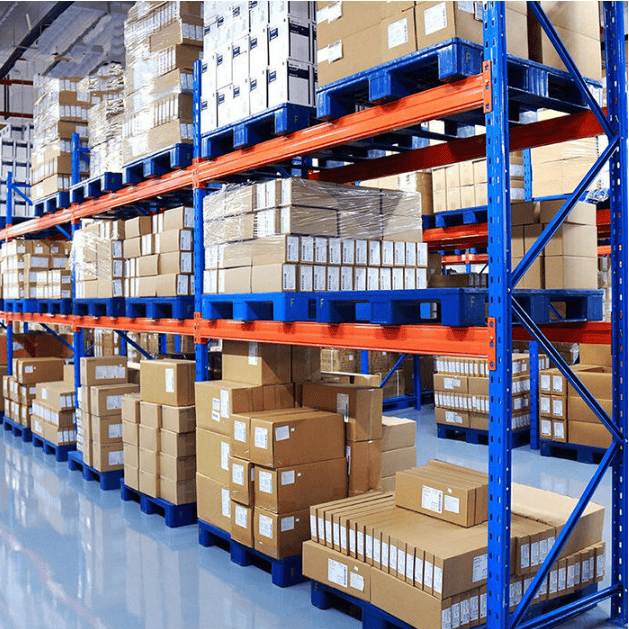
Pallet-storage reference: provide the loaded pallet dimensions, weight and base construction when requesting a configuration.
2. What Specifications Should You Confirm Before Buying?
Overall dimensions and usable openings
Ask for a dimensioned drawing that distinguishes the outside size from the clear storage opening. Check width, depth, clear height and the first shelf position. For a connected row, confirm the installed length and the arrangement of starter and add-on bays.
Dimension confirmation checklist
Overall width × depth × height, with the units stated
Usable shelf width and depth; clear height between levels
Number of fully decked levels and any shelf lips or obstructions
Goods orientation, stacking pattern and space needed for handling
Complete row length, bay quantities and access around the installation
Loads and the configuration they apply to
A uniformly distributed load assumes weight spread across the stated area. A heavy item resting on small feet applies its weight differently. Provide the maximum weights, contact points and arrangement of your goods. Ask for the shelf or beam-level rating, the bay or frame limits and the configuration covered by the supporting documents.
The Storage Manufacturers Association explains these loading terms and why changes to a shelving configuration require review. See its industrial shelving FAQs for background.
Layout and site conditions
Mark columns, doors, service areas and available clear height on the floor plan. Identify picking carts or the exact handling equipment. Have the project team confirm working aisles, floor suitability, fixing details and site requirements before approving the final layout.
3. Which Materials and Components Should You Compare?
Steel, profiles and thickness
Request the material description and section dimensions for each main component. If thickness is part of your purchase specification, agree on measurement locations, tolerances and whether the stated value excludes coating. Use these details alongside configuration-specific load evidence.
Decking, connections and finish
Record the deck material, number of panels, supports and connectors supplied for each level. Ask for close-up images of beam connections, bracing and feet. Describe humidity, cleaning, temperature and other exposure so the proposed material and finish can be assessed for your environment.
4. How Should You Compare Supplier Quotes?
Give each supplier the same inquiry revision. Require a separate description of alternatives, then compare the equipment and services included in each offer.
| Quotation item | What to compare |
|---|---|
| Configuration | Drawing revision, overall and usable dimensions, levels and loading conditions |
| Quantity and price unit | Starter bays, add-on bays and the exact meaning of “set,” “bay” or “level” |
| Parts and accessories | Decks, supports, connectors, labels, dividers and specified fixing or protection items |
| Packing | Package contents, external dimensions, weights, protection and markings |
| Delivery and installation | Named delivery point, transport scope, unloading, assembly and installation responsibility |
| Order conditions | Currency, validity, payment terms, agreed schedule, acceptance and support scope |
For your internal budget, include the relevant transport, destination handling, unloading and installation costs. Ask the responsible service providers to confirm amounts outside the supplier's scope. Evaluate the resulting usable carton, bin or pallet positions as well as the equipment price.
5. What Evidence Should You Request Before Placing an Order?
Build an approval file around the proposed model. Request a drawing, bill of materials, applicable load information, assembly instructions and the agreed inspection criteria. Identify any test or calculation document by its reference and check which configuration it covers.
For a sample or first production unit, record fit, dimensions, component identification and packed contents. Ask the supplier to document proposed changes before production or shipment. A factory overview can introduce a process; order-specific inspection records connect that process to the equipment you purchase.
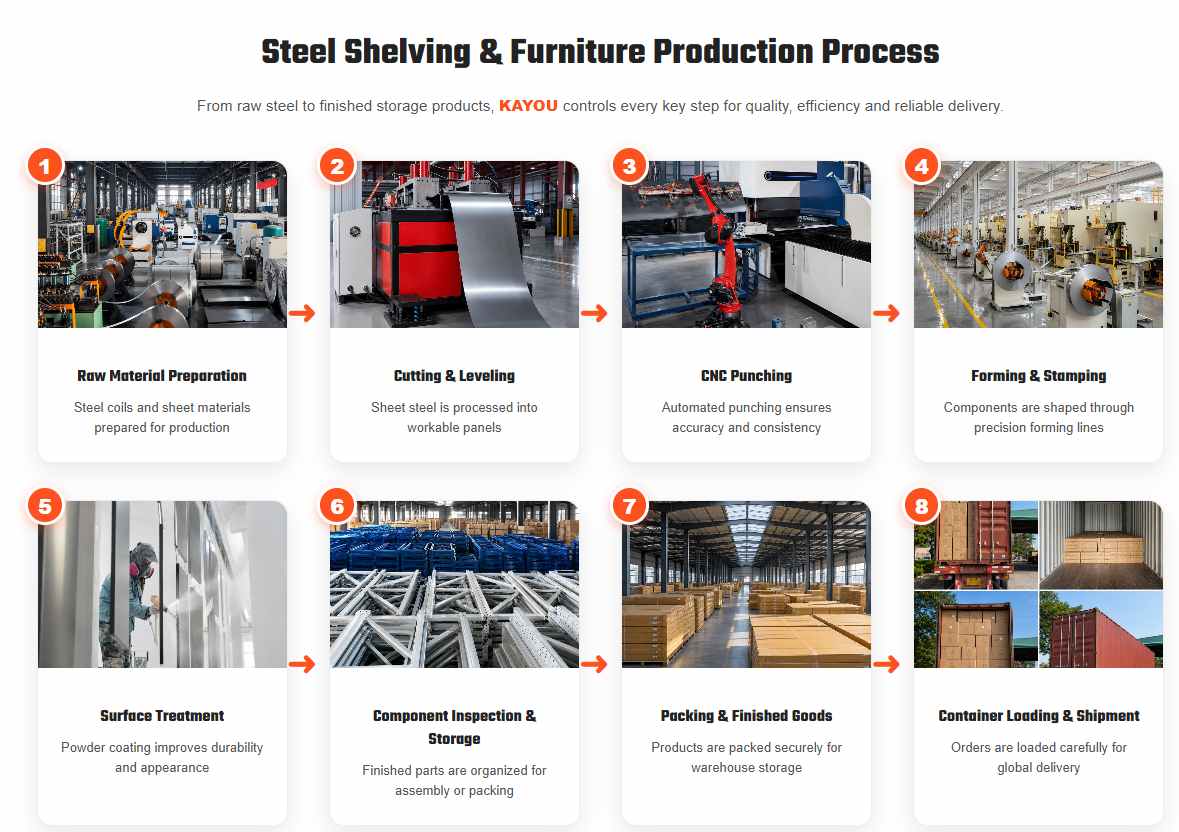
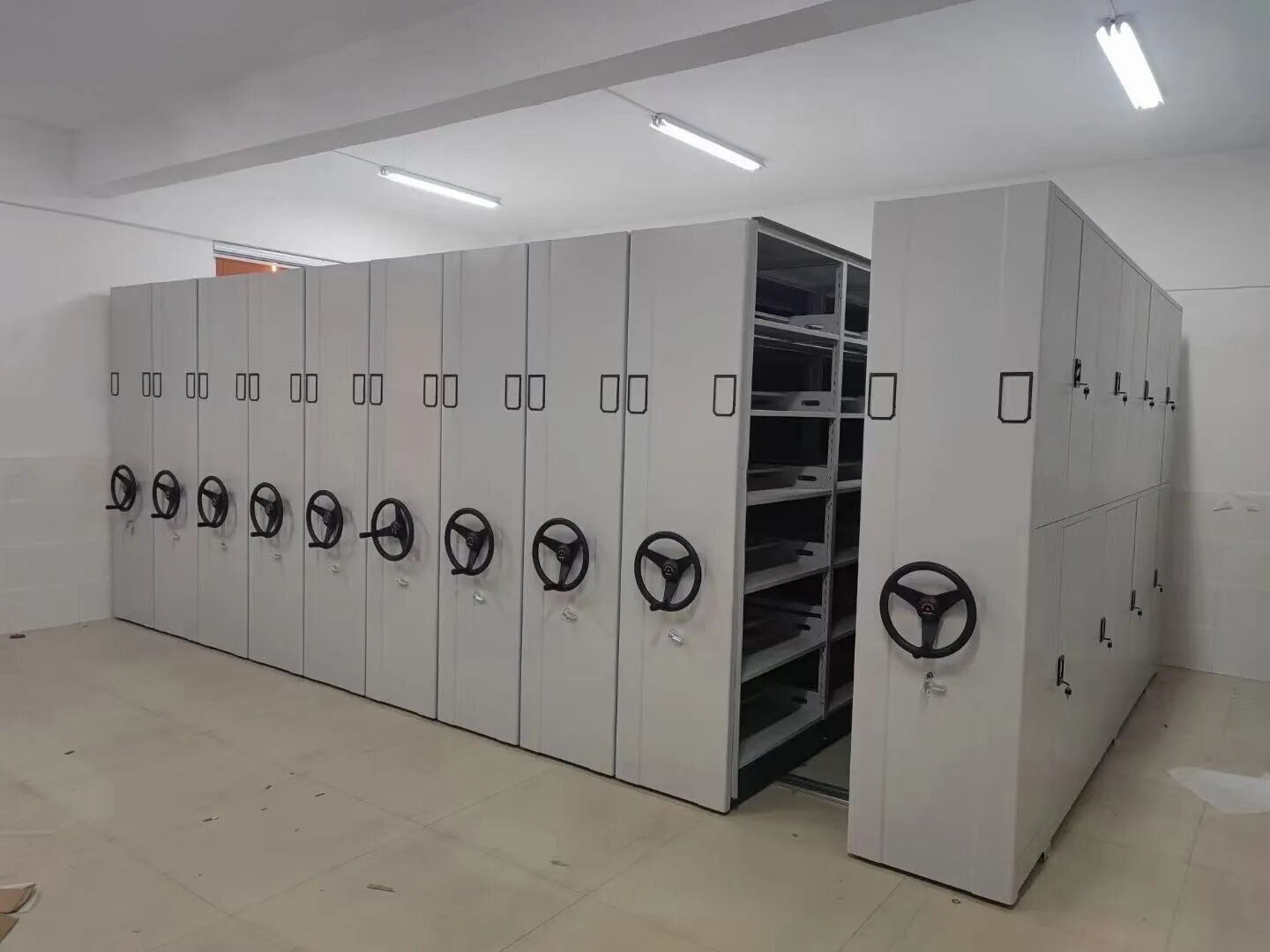
Production-flow reference from KAYOU's website. Discuss the inspection records and acceptance criteria for your order.
Purchasing example: carton picking and pallet reserves
Illustrative scenario, not a reported customer project.
A buyer needs hand-picked cartons near the packing area and full-pallet reserves elsewhere. The inquiry separates the required positions and handling methods. Suppliers quote each zone against its goods dimensions and loading requirements, with a coordinated layout. The buyer checks that drawings, quantities and quotation lines describe the same scope before placing the order.
6. What Should You Confirm for Bulk Orders and Delivery?
MOQ and customization: confirm order quantities for each size, finish and packaging version.
Repeat orders: keep approved drawings, component codes and finish references together.
Shipment packing: agree package counts, contents, weights, dimensions and identification marks.
Mixed loads: request a loading plan for the actual product mix and packing specification.
Schedule: confirm what starts the production period and list transit separately.
Installation and handover: define unloading, assembly, fixing, inspection and document responsibilities.
Carry the final revisions into the purchase order and inspection instructions. Ask how missing parts, transit damage and technical questions will be recorded and handled under the agreed order terms.
7. Frequently Asked Questions
What is the difference between warehouse shelving and pallet racking?
For purchasing purposes, separate hand-picked cartons and parts from forklift-handled pallets. Specify the goods and handling method so the supplier can identify the appropriate system.
How much weight can metal warehouse shelves support?
Use the rating for the exact size, components, shelf arrangement and loading conditions proposed. Ask for both level and overall system limits and their supporting documentation.
What dimensions should I provide when ordering?
Provide the goods dimensions, preferred clear storage openings, number of levels and available room layout. Pallet projects also need loaded pallet dimensions, entry direction and base details.
How much do metal warehouse shelves and racks cost?
Request a quotation for your configuration and quantity. Compare included parts, packaging, delivery and installation on a consistent basis rather than applying a price from another model.
Can I order custom sizes, colors or private-label packaging?
List each requested change in the inquiry. Ask the supplier to confirm feasibility, minimum quantities, artwork approval and any effect on the specification, price or schedule.
What are the MOQ and lead time for a bulk order?
Confirm both in the current quotation for the selected model and order mix. Identify production starting conditions and obtain a separate transit estimate for your destination.
Do warehouse shelves and racks need anchoring?
Confirm the fixing arrangement for the selected configuration and site. Obtain the installation instructions and have the responsible project specialists review floor and fixing details.
What information is needed for an accurate quotation?
Send the application, goods dimensions, maximum weights and loading pattern, required positions or quantities, layout and delivery destination. Identify open decisions as “to be confirmed.”
8. Prepare Your Specifications for a KAYOU Quote
Copy the following brief into your inquiry. Attach photos of the goods, a floor plan or a marked-up drawing where available.
We need metal warehouse shelving or racking for [application].
Our goods or loaded pallets measure [dimensions and units].
The maximum weights and loading pattern are [details].
We require [storage positions or bay quantity] with [shelf or beam levels].
Handling will use [manual picking / equipment details].
Delivery is to [city, country or named port].
Please identify the proposed configuration, load documentation, included parts, packing, delivery scope and production schedule.
KAYOU / WAREHOUSE STORAGE INQUIRY
Discuss the configuration for your goods and warehouse.
Send your dimensions, loading requirements, quantity and destination. Include a goods photo or layout if the specification is still being developed.
Continue Planning Your Purchase
Choose between warehouse shelving and pallet racking — compare the storage operations in more detail.
Plan your warehouse shelving quantities — prepare a preliminary layout and identify the inputs to verify.
Use the warehouse shelving RFQ template — give suppliers a consistent specification.
Review the steel shelving sample approval checklist — record the reference for your bulk order.
Technical background: Storage Manufacturers Association FAQs and RMI guidance on uniformly distributed loads.
Use the supplier's approved configuration and project-specific documentation to finalize your purchase.