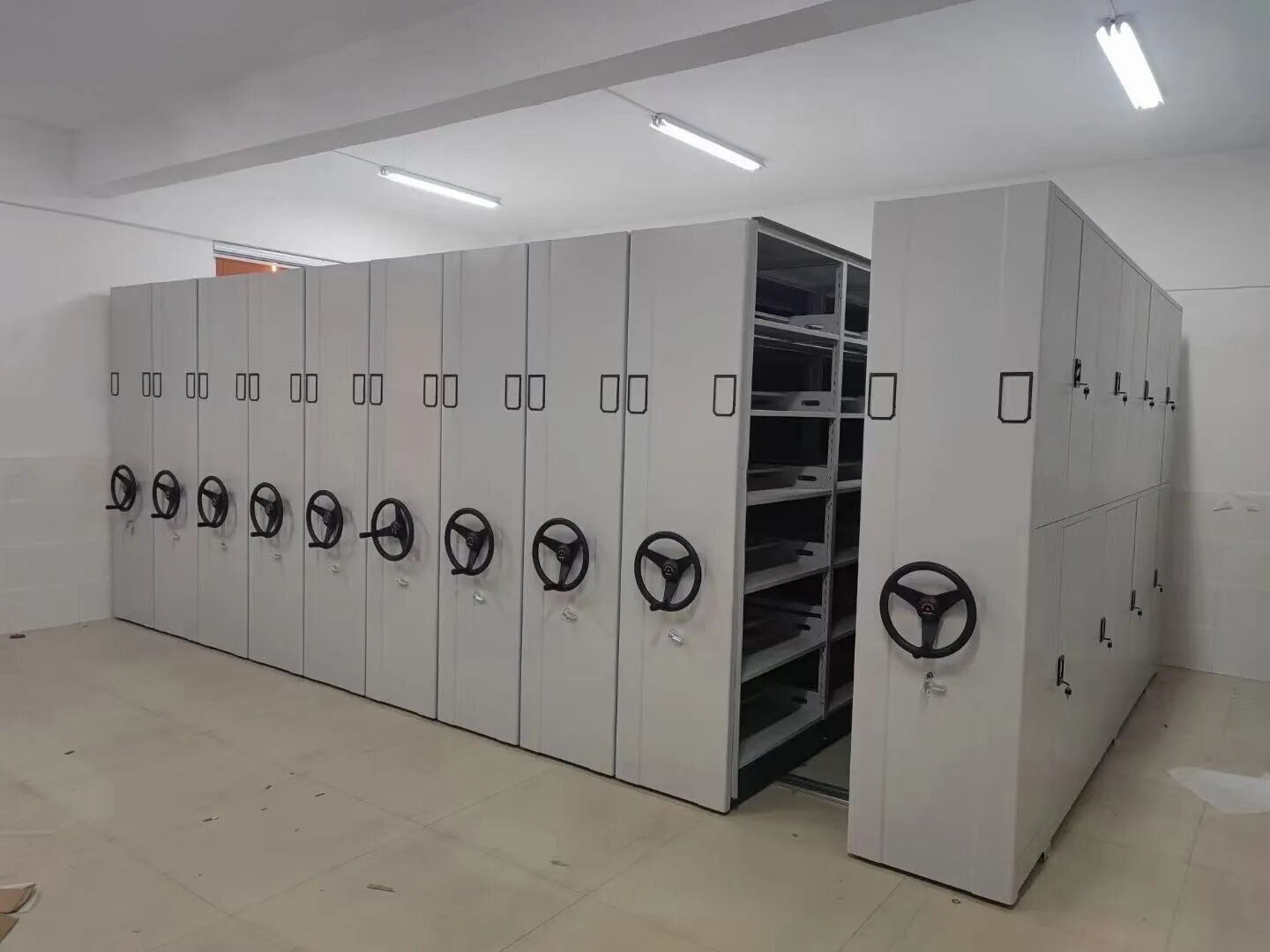


Metal Shelving: Compare Types, Materials & Costs | KAYOU
KAYOU / METAL SHELVING COMPARISON
Metal Shelving Buying Guide: Compare Options Before You Order
Metal shelving can describe many different products. A metal frame may carry steel panels, wire decks or wood-based boards. Connections, usable openings and operating limits also vary. For a business purchase, compare the complete configuration against the goods and working conditions it must handle.
This guide helps warehouse buyers, importers and distributors compare materials, shelf designs, load evidence and total purchase costs before requesting quotations.
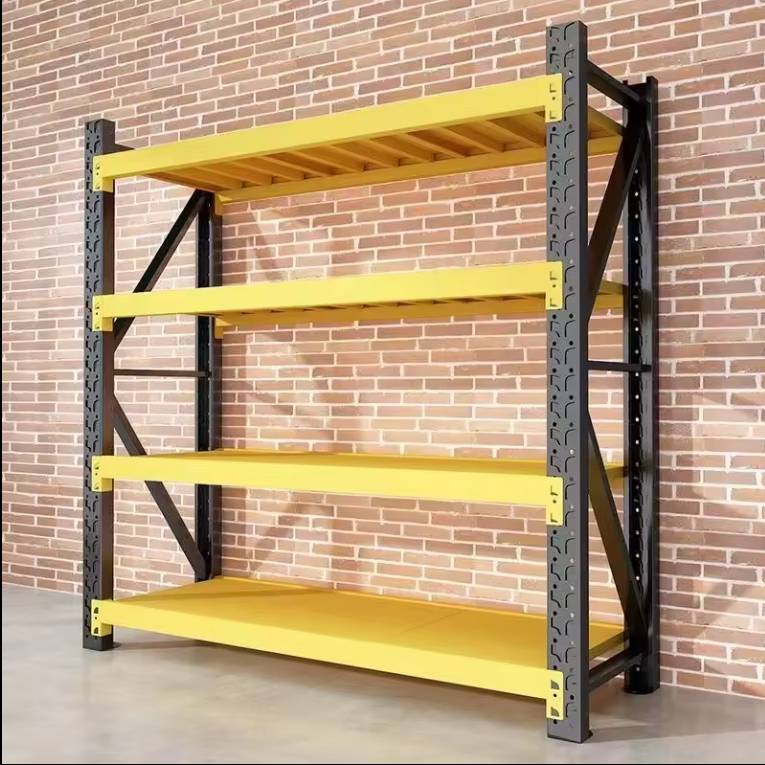
KAYOU product reference. Confirm the dimensions, components and rated loads for the model being quoted.
Compare separate purchasing decisions
Material, finish, decking, connection method and mobility are separate characteristics. A stainless steel shelf can use boltless connections; a steel frame can carry board decking. Describe each characteristic in the specification.
What would you like to compare?
Materials & finishes / Shelf decking / Connections & wheels
Capacity & usable space / Quotation value / Buying channels
Purchasing FAQs / Build your shortlist
1. Which Material and Finish Should You Choose?
Begin with the environment: humidity, condensation, temperature, cleaning chemicals and possible outdoor or salt exposure. Then request a material-and-finish proposal for those conditions.
| Proposed construction | Details to compare | Evidence to request |
|---|---|---|
| Powder-coated carbon steel | Base steel, pretreatment, coating specification and care instructions | Material description, finish reference and relevant assessment for the exposure |
| Galvanized steel | Galvanizing process, covered components, cut edges and connections | Process identification and protection details for the supplied components |
| Stainless steel | Exact grade, surface finish, connections and cleaning conditions | Agreed material documentation and suitability review for the intended use |
Compare the specification behind the label
A complete unit may combine different finishes on its posts, beams and accessories. Record these separately. For a repeat purchase, retain the approved material specification and finish reference so proposed substitutions can be reviewed.
For an ordinary dry stockroom, ask which available configurations meet your requirements. For frequent wet cleaning or demanding exposure, request a specific material review before shortlisting by price.
2. Solid Steel, Wire or Board Shelves: Which Decking Fits Your Goods?
Select the shelf surface and its supports together. Give suppliers the shape of the goods' bases, including feet, runners or small contact areas.
| Decking option | Questions that help decide |
|---|---|
| Solid steel panels | Do loose items need a continuous surface? Where are panel joints, reinforcement and supporting members? |
| Wire or mesh decks | Will the item footprint bridge the openings securely? What supports, retention and loading conditions apply? |
| MDF, HDF or other board decking | Which named board, grade, thickness and support layout are proposed? What moisture and cleaning conditions are permitted? |
Check a representative item on the proposed surface
For small parts, compare the surface with the smallest item or its container. For cartons and totes, check the base and handling clearance. Request underside photographs as well as front views so the support layout is visible.
For board decking, request product-specific moisture information. For example, MEDITE identifies its named MR board as moisture-resistant, but not waterproof. That statement concerns that product; obtain the data for the board actually offered. See MEDITE MR technical FAQs.
3. Bolted or Boltless, Fixed or Wheeled: Which Configuration Fits?
Compare complete assembly requirements
Ask which connections are bolted, clipped or interlocking. Obtain the assembly sequence, tool list and included hardware. A boltless beam connection does not describe the work required for frames, accessories or floor fixings.
Decide whether movement is part of the job
If shelving will stay in one position, compare suitable fixed configurations. If it needs repositioning, describe the route, frequency, floor joints, thresholds and parking location. Confirm whether movement requires unloading.
For caster-mounted units, request the wheel specification and the complete rack's permitted operating loads. Blickle's caster load-capacity guidance explains why equipment weight, payload, supporting wheels and operating conditions matter.
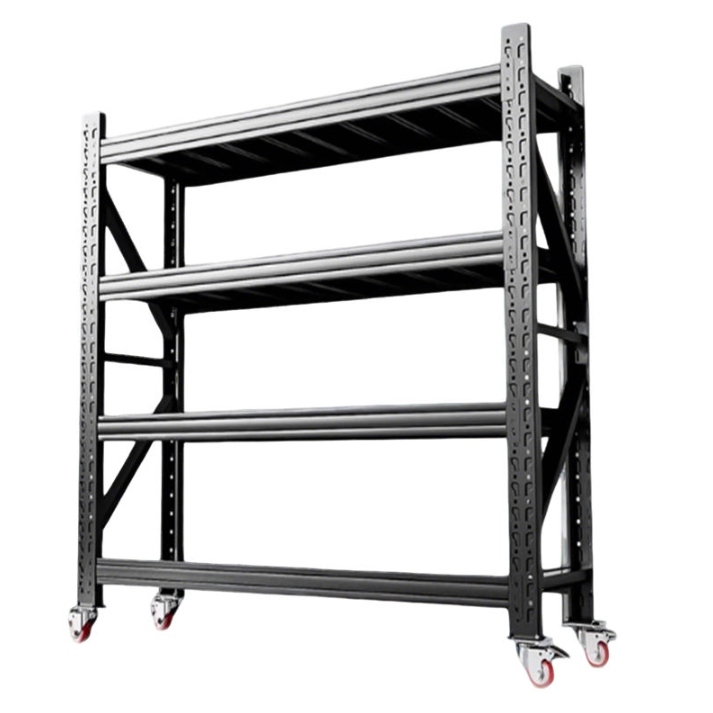
Wheeled shelving reference from KAYOU. Confirm caster details, brakes and any permitted payload during movement.
Check future adjustments and extensions
Record the approved shelf positions and extension components. Changes beyond the assessed configuration need review. Retain component codes for later orders instead of matching replacement parts by appearance.
4. How Do You Compare Load Ratings and Usable Storage Space?
Compare clear openings, not only outside dimensions
Request usable width, depth and clear height for each level. Check the actual bins or cartons, including handles and lids. Also confirm the total row length when adjacent bays share frames.
Match the rating to the loading arrangement
A uniformly distributed load spreads weight across a defined area. Equipment on small feet creates a different contact arrangement. Send maximum item weights, contact dimensions and intended positions. Request the permitted shelf and bay loads for the exact configuration.
The Storage Manufacturers Association discusses loading terms and configuration changes in its industrial shelving FAQs. Use identifiable documents covering the proposed assembly when reviewing its rating.
Before accepting a capacity claim, record:
Model, drawing revision and usable dimensions
Decking, supports, connections and shelf positions
Applicable load distribution and permitted shelf and bay loads
Supporting document reference and installation conditions
5. Which Metal Shelving Quote Offers Better Value?
Start with one purchasing brief and ask each supplier to identify deviations. Two offers with the same outside dimensions can include different clear openings, decks, supports, accessories or packaging.
Compare the price unit and included scope
Quantity: complete units, starter bays, add-on bays and fully decked levels.
Components: panels, supports, connectors, labels and specified fixing items.
Shipment: package counts, dimensions, weights and protection.
Delivery: named destination, transport, unloading and installation responsibilities.
Order terms: currency, validity, payment, schedule and acceptance criteria.
Compare cost against confirmed usable capacity
After the proposals meet the same storage and access requirements, compare total delivered and installed cost per confirmed usable position. Obtain costs outside the supplier's scope from the responsible providers. Review replacement-part prices and reorder conditions separately.
Illustrative comparison: two similar-looking units
Example scenario, not a customer case or quotation.
A buyer compares two shelving offers for the same stockroom. One includes steel panels and supports; the other lists a frame with board decking. The buyer checks bin fit, loading evidence, assembly parts and delivered scope for each. The decision follows the documented requirements and complete offer rather than the shared product name.
6. Should You Buy From a Local Supplier or a Manufacturer?
Compare the actual offers available to you. A local supplier may also arrange custom production, while a manufacturer may use local service partners. Confirm each responsibility in writing.
| Purchasing factor | Local supplier: verify | Manufacturer: verify |
|---|---|---|
| Availability | Stock for the exact model and complete quantity | Production schedule, starting conditions and transit estimate |
| Specification | Available sizes, documentation and changes offered | Feasible changes, approval process and minimum quantities |
| Services | Delivery, installation and support actually included | Shipping scope and arrangements for destination services |
| Repeat orders | Replacement availability and model continuity | Retained specifications, component codes and reorder terms |
Keep the same verification standard for every supplier
Review the drawing, bill of materials, applicable load documents, assembly instructions and packed contents. If a sample is used, record its identity and any differences from production. Connect the approval record to the purchase order and agree how later changes will be handled.
7. Metal Shelving FAQs
Is steel shelving the same as metal shelving?
Steel is one type of metal. Identify the frame, shelf surface and accessories separately; a metal frame may be supplied with non-metal decking.
Are solid steel shelves better than wire shelves?
Compare them against the goods, item footprint, cleaning needs and supported configuration. Confirm how small items will rest on the proposed surface.
Should I choose powder-coated, galvanized or stainless steel shelving?
Describe the environment and cleaning process first. Request a proposal identifying the exact material, finish and evidence relevant to those conditions.
Is boltless shelving stronger than bolted shelving?
The connection name alone does not establish strength. Compare documented ratings for the actual dimensions, components and assembled configuration.
Can I compare shelving using the advertised load capacity alone?
Include usable dimensions, load distribution, shelf positions, supports and total bay limits. Check that the evidence covers the proposed product.
Why do metal shelving units of the same size have different prices?
The offers may differ in material, profiles, decking, reinforcement, levels, accessories, packing or services. Request an itemized comparison.
Is buying directly from a manufacturer cheaper than buying locally?
Compare complete costs for the same usable storage and delivery scope. Quantity, transport, installation and support arrangements influence the result.
What should I send suppliers to get comparable quotations?
Send goods dimensions, weights, loading patterns, usable-space needs, quantities, environment, layout and destination. Ask each supplier to identify deviations and unresolved items.
8. Create Your Metal Shelving Shortlist and Request a Quote
For each candidate, mark essential requirements as met, needs confirmation or not met, with a reference to the evidence. Resolve missing information before treating an option as qualified.
Your final shortlist checklist
Goods fit the confirmed clear openings and handling method.
Load evidence identifies the offered configuration.
Materials, finish and decking have been reviewed for the environment.
Required parts, documents, packaging and services are identified.
Price, schedule, acceptance and support terms are recorded.
Copy this purchasing brief into your inquiry
We are comparing metal shelving for [application].
Our goods measure [dimensions and units], with maximum weights and contact details of [details].
We require [usable openings, levels and storage positions or quantity].
The operating environment and movement needs are [details].
Delivery is to [city, country or named port].
Please identify your proposed configuration, applicable load documents, included components, packing, delivery scope, price and schedule. List alternatives and deviations separately.
KAYOU / B2B SHELVING INQUIRY
Compare your shelving options with KAYOU.
Share your goods, loading requirements, quantity and destination. Include the options you are comparing and a floor plan or product photograph where available.
Continue Comparing Your Options
Steel vs MDF/HDF shelves — examine decking and support requirements.
Boltless vs longspan shelving — distinguish connection methods from shelving formats.
Warehouse shelving RFQ template — prepare a consistent supplier inquiry.
Steel shelving sample approval checklist — record what is approved before production.
Technical links explain selection principles. Final product suitability, operating limits and order conditions should be established in the configuration-specific documents and written quotation.