
Steel Shelving Manufacturer in China: How to Compare Factories
KAYOU / PROCUREMENT & SUPPLIER EVALUATION GUIDE
Steel Shelving Manufacturer in China: How to Compare Factories
Technical specifications, factory capability, quality evidence, pricing and export readiness — a practical selection framework for global B2B buyers.
A Practical Buying Guide for Importers, Distributors and Warehouse Project Buyers
China is one of the major sourcing destinations for steel shelving, warehouse racks and industrial storage equipment.
However, searching for a steel shelving manufacturer in China can return hundreds of suppliers offering similar products, competitive prices and attractive catalogues.
For international buyers, the challenge is not finding a supplier. It is identifying a manufacturing partner capable of delivering consistent product quality, reliable load capacity, competitive pricing and dependable long-term service.
Two factories may quote the same five-level steel shelving unit, yet differ significantly in steel thickness, upright design, shelf reinforcement, load-testing evidence, production capability and export packaging.
So how should professional buyers compare Chinese steel shelving manufacturers?
This guide explains the most important criteria, provides a practical supplier comparison scorecard and shows what information to request before selecting a factory.
IN THIS GUIDE
1. Manufacturer vs. Trading Company: Understand Who You Are Buying From2. Compare the Same Steel Shelving Specification3. Verify Shelf Load Capacity4. Check Material Quality and Steel Thickness5. Compare Manufacturing Capabilities6. Review Quality Certificates and Technical Documentation7. Compare MOQ and Production Lead Time8. Compare OEM and ODM Capabilities9. Calculate Total Landed Cost, Not Just Unit Price10. Compare Export Packaging and Container Loading11. Evaluate Communication and After-Sales Support12. Steel Shelving Manufacturer Comparison Scorecard1. Manufacturer vs. Trading Company: Understand Who You Are Buying From
The first step is identifying the role of each supplier.
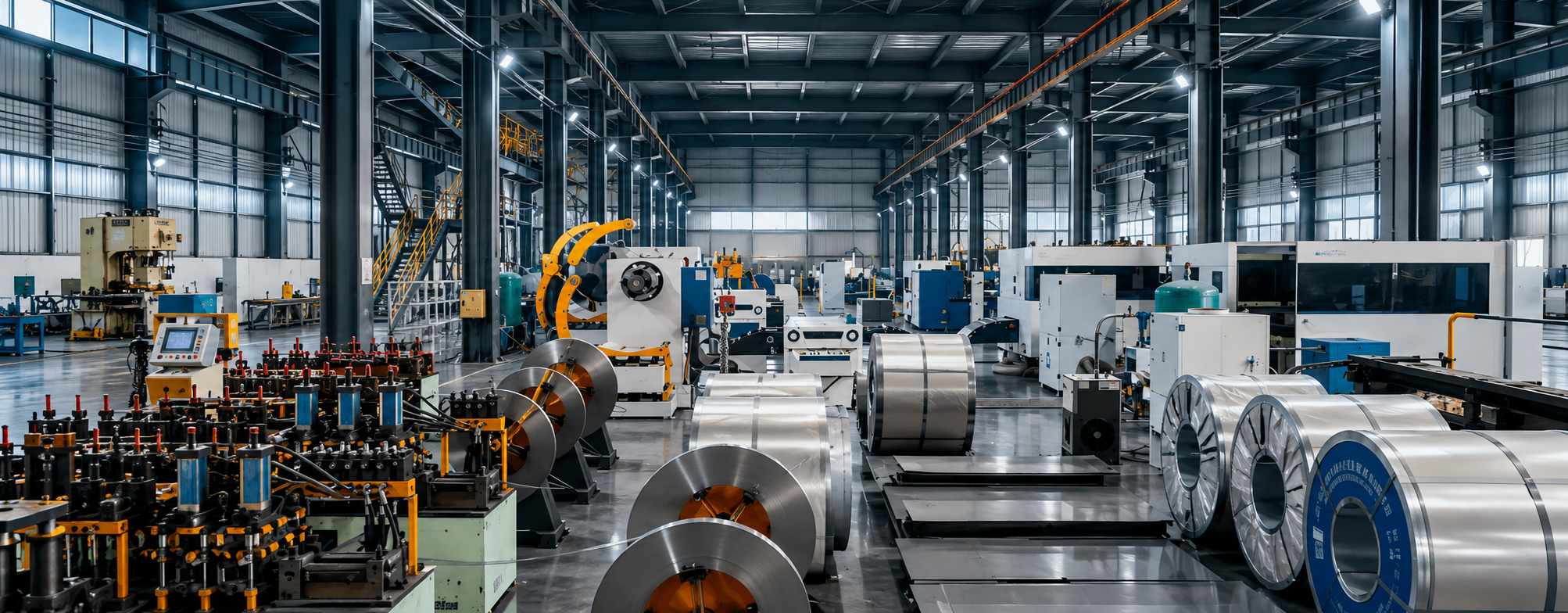
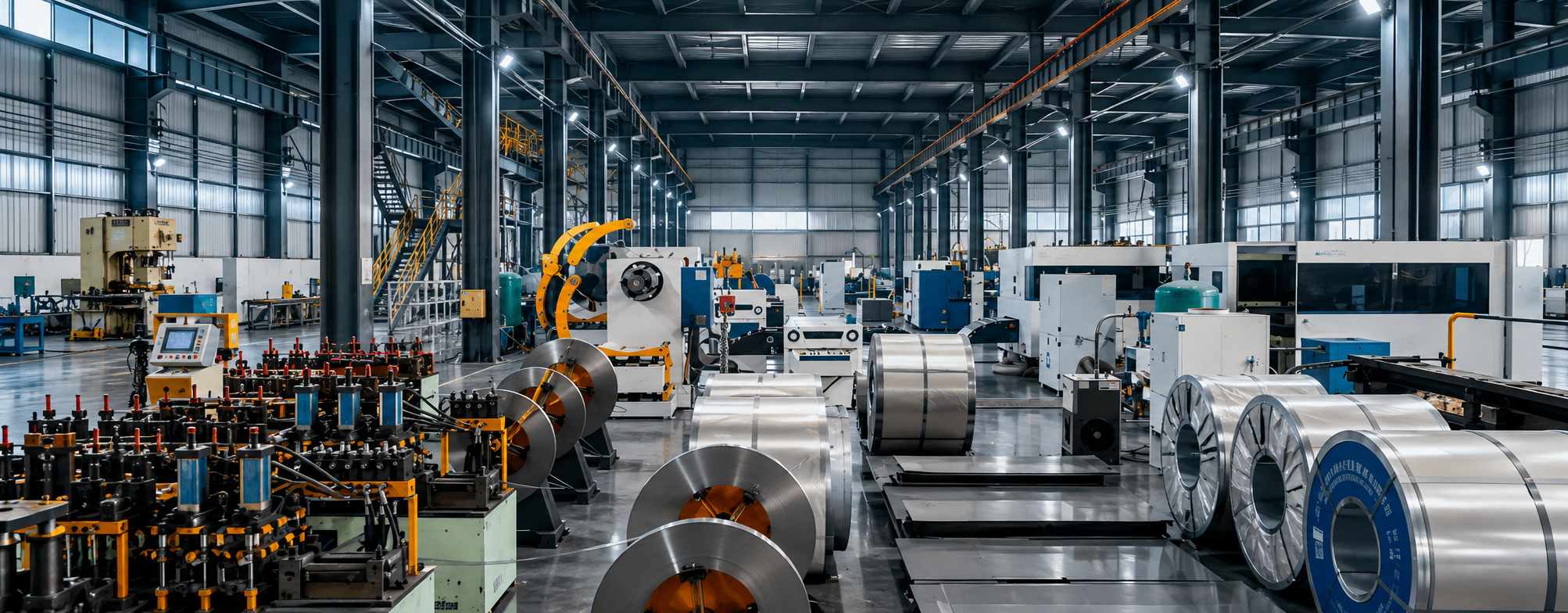
A steel shelving manufacturer typically controls some or all of the key manufacturing processes, such as cutting, punching, roll forming, bending, welding, powder coating, assembly and inspection.
A trading company primarily manages sourcing, sales, order coordination and international transactions. It may purchase products from one or more factories.
Neither model is automatically better.
A qualified trading company can offer valuable sourcing expertise and export services. Meanwhile, working directly with a capable manufacturer may provide greater visibility into technical decisions, product customization and production schedules.
How to Verify a Factory
Ask the supplier to provide:
Chinese business registration information
Actual manufacturing address
Production workshop photographs or live video
Main production equipment information
Engineering and quality-control capabilities
Manufacturing and export entity relationship
Factory inspection arrangements
Buyer Tip: The contracting company, manufacturing factory and export entity may be different legal entities. Request a clear explanation of their responsibilities rather than assuming a different company name means fraud.
For a deeper supplier-verification process, read KAYOU's How to Audit a Steel Shelving Manufacturer in China.
2. Compare the Same Steel Shelving Specification
One of the biggest mistakes in international sourcing is comparing prices without confirming that the product specifications are equivalent.
For example, Supplier A and Supplier B may both offer a rack measuring:
2000 H × 1200 W × 500 D mm, 5 levels.
However, the two racks may use different:
Steel grades
Upright profiles and thicknesses
Beam structures
Shelf-panel thicknesses
Reinforcement ribs
Connection systems
Surface treatments
Load capacities
Therefore, their quotations are not directly comparable.
Technical Specification Comparison
| Specification | Supplier A | Supplier B |
|---|---|---|
| Overall size | 2000 × 1200 × 500 mm | 2000 × 1200 × 500 mm |
| Shelf levels | 5 | 5 |
| Steel grade | Q235 | Q235 |
| Upright thickness | 0.8 mm | 1.0 mm |
| Beam thickness | 0.8 mm | 1.0 mm |
| Shelf thickness | 0.5 mm | 0.6 mm |
| Reinforcement | 2 ribs | 3 ribs |
| Declared load | 150 kg/level | 250 kg/level |
| Surface finish | Powder coating | Powder coating |
The above figures are hypothetical examples, not specifications or quotations from identified suppliers. Load ratings require evidence for the exact configurations.
Supplier B may have a higher material cost, but its specification also differs.
However, thicker steel does not automatically mean better performance. The complete structural design, connectors, reinforcement and test conditions are also important.
Always compare equivalent specifications before negotiating price.
3. Verify Shelf Load Capacity
For warehouse and industrial storage applications, load capacity is one of the most important selection criteria.
Buyers should distinguish between:
Load per shelf: Maximum permitted load on one storage level under the specified loading conditions.
Total rack capacity: Maximum permitted load for the complete shelving unit.
Uniformly Distributed Load (UDL): A load evenly distributed across the specified shelf area.
Concentrated load: Weight applied over a smaller area, which may create higher localized stress.
For example, a shelf rated at 300 kg UDL does not necessarily support a 300 kg machine positioned at its center.
When comparing manufacturers, request:
Rated load per shelf and total bay load
Applicable shelf dimensions and clear span
Loading method used for the rating
Relevant test report or engineering evidence
Deflection or acceptance criteria where applicable
Confirmed product configuration
The rating should relate to the specific shelving system, not a generic catalogue statement.
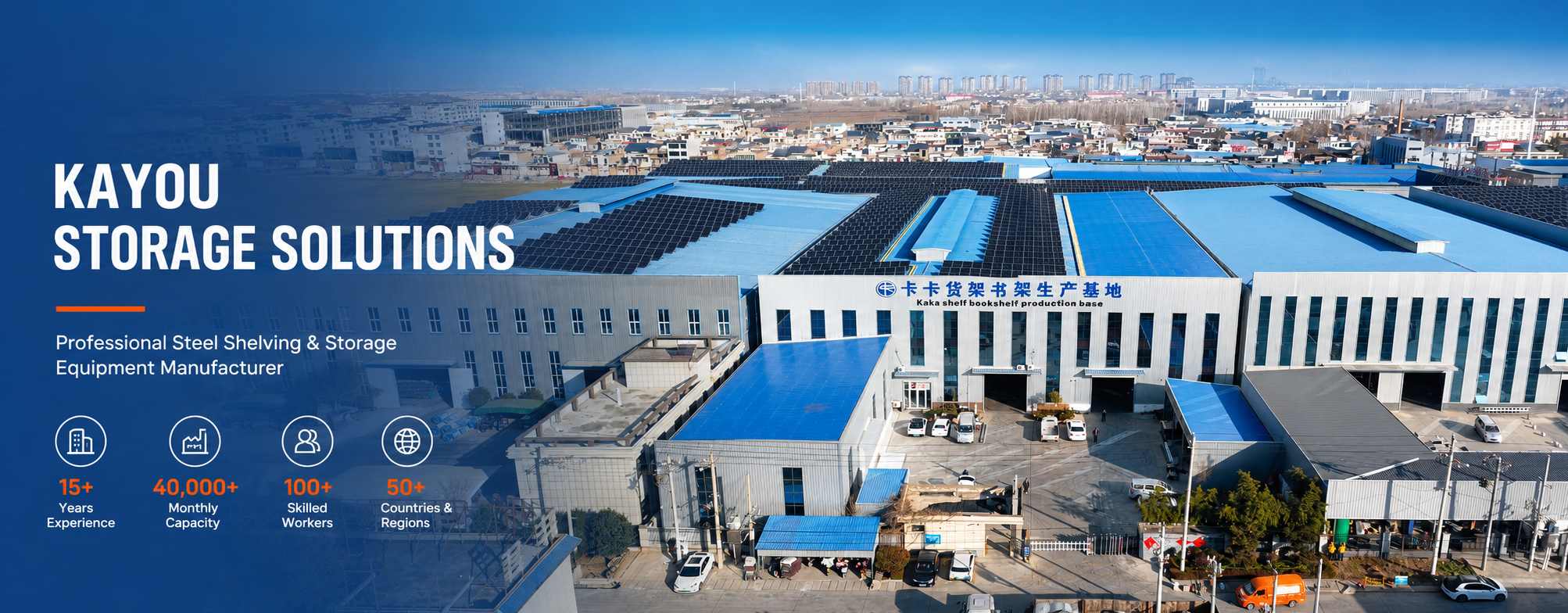
What KAYOU Offers
KAYOU's published Medium Duty Steel Shelving range includes customizable configurations with published shelf-load options of approximately 100–500 kg per level under uniformly distributed loading conditions, depending on the design.
Actual capacity must be confirmed against the approved dimensions, components and loading requirements.
4. Check Material Quality and Steel Thickness
Steel material is a major factor affecting shelving manufacturing cost, structural performance and product consistency.
Professional buyers should request a component-level material specification instead of a general statement such as “high-quality steel.”
Important information includes:
Material grade
Nominal and agreed minimum thickness
Upright profile dimensions
Beam profile dimensions
Shelf-panel thickness
Reinforcement dimensions
Finished product weight
What Is an MTC?
A Material Test Certificate (MTC) provides information about steel material characteristics and the associated material batch, according to the certificate type.
However, an MTC alone does not prove that a particular shelving unit meets its rated load.
The supplier should be able to connect the relevant steel material to the actual components used in production.
Where required, material records, thickness measurements and production-batch traceability should be verified together.
Learn more in How MTC and Steel Thickness Certificates Reduce Sourcing Risk.
5. Compare Manufacturing Capabilities
A reliable manufacturer should have production capabilities appropriate to the shelving structures it supplies.
Common steel shelving manufacturing processes include:
Steel cutting: Preparing steel coils, sheets or profiles to the required dimensions.
Punching: Producing holes and connection slots with suitable dimensional control.
Roll forming and bending: Manufacturing uprights, beams and structural components.
Welding: Connecting structural parts where welded construction is specified.
Surface preparation and powder coating: Preparing and finishing steel components.
Assembly inspection: Checking component compatibility and product completeness.
Questions to Ask the Factory
| Factory Capability | Question to Ask |
|---|---|
| Production equipment | Which processes are performed in-house? |
| Engineering | Can you provide technical drawings and BOMs? |
| Welding | How are weld quality and dimensions controlled? |
| Powder coating | What pretreatment and inspection methods are used? |
| Quality control | Are there incoming, in-process and final inspections? |
| Customization | Can the factory modify dimensions and structure? |
| Capacity | What is the realistic monthly output for this model? |
A large production workshop is not automatically better than a smaller specialized factory.
More important is whether the manufacturer can repeat the approved specification consistently.
6. Review Quality Certificates and Technical Documentation
International buyers frequently request ISO certificates, test reports and inspection documents.
However, it is important to understand what each document proves.
ISO 9001
ISO 9001 concerns quality management systems.
A relevant, valid certificate can support confidence in the manufacturer's process management, but it does not automatically certify the load capacity of an individual shelving model.
Buyers should verify:
Certified company and site
Certification scope
Certificate status
Certification body
Relevant manufacturing activities
Accredited management-system certificates may be checked through IAF CertSearch or the issuing certification body.
Load-Related Documentation
For a particular shelving model, technical evidence may include test records, structural calculations, approved drawings and rated-load labels.
The applicable standards depend on the type of shelving and destination market.
Industrial shelving, pallet racking, mobile shelving and mezzanine structures should not automatically be evaluated under the same standard.
Third-Party Inspection
For high-value orders or first-time supplier relationships, independent inspection can provide additional assurance.
An agreed inspection scope may include:
Actual steel thickness
Overall dimensions
Component quantities
Surface finish
Trial assembly
Labels
Export packaging
Important: A factory should only claim compliance with standards for which it has appropriate evidence covering the product and scope.
7. Compare MOQ and Production Lead Time
MOQ means Minimum Order Quantity.
Not every steel shelving factory uses the same MOQ policy.
A standard shelving model may require a relatively small order, while a customized product may need a larger batch to justify tooling, material preparation or powder-coating setup.
Factors Affecting MOQ
| Requirement | Potential Effect |
|---|---|
| Standard dimensions | Usually easier to order in smaller quantities |
| Custom dimensions | May require additional setup |
| Special RAL color | Depends on coating batch |
| Custom logo | May require printing or labeling setup |
| Private-label carton | Packaging MOQ may apply |
| New structural design | Tooling or engineering costs may apply |
Lead times must also be compared on the same basis.
For example, one supplier may quote 15 production days after deposit, while another quotes 20 days after sample and drawing approval.
These are not equivalent schedules.
Ask the manufacturer to confirm:
Drawing Approval → Material Preparation → Production → Inspection → Packaging → Shipment Readiness
For customized orders, obtain a dated production plan before confirming the final delivery schedule.
8. Compare OEM and ODM Capabilities
For distributors and private-label brands, customization can be a deciding factor.
OEM Manufacturing
The buyer supplies an approved design or product specification.
The manufacturer produces according to the confirmed requirements.
Typical OEM requirements include:
Custom dimensions
Steel thickness
Shelf load requirements
Specific color
Logo labels
Retail cartons
Assembly instructions
ODM Manufacturing
The buyer provides the intended application or commercial requirements.
The manufacturer helps develop a suitable product design.
For example, a distributor may request:
“We need a five-level steel shelving unit for the European market, with adjustable levels, compact packaging and a load capacity of 200 kg per level.”
The supplier can propose an appropriate structure for technical approval.
When selecting an OEM/ODM partner, evaluate engineering support, sample development, drawing control and repeat-order consistency.
COMPARE QUOTATIONS WITH CONFIDENCE
Need a like-for-like steel shelving quote?
Send KAYOU your dimensions, shelf loads, steel specifications, quantity and packing requirements for a project-based quotation.
Request a Factory-Direct Quote →9. Calculate Total Landed Cost, Not Just Unit Price
The lowest EXW quotation does not necessarily mean the lowest total purchasing cost.
The final import cost may include:
Product Price + Inland Freight + Ocean Freight + Insurance + Import Duties + Taxes + Destination Charges + Delivery + Installation
Consider a hypothetical order of 300 shelving units.
| Cost Item | Supplier A | Supplier B |
|---|---|---|
| EXW price per unit | $28.00 | $30.00 |
| Product total | $8,400 | $9,000 |
| Freight and other landed costs | $4,200 | $3,000 |
| Total landed cost | $12,600 | $12,000 |
| Landed cost per unit | $42.00 | $40.00 |
Illustrative example only; all costs are assumed to be comparable and included on the same accounting basis.
Supplier B has a higher factory price but a lower total delivered cost.
This situation can arise because of differences in packing volume, loading efficiency, product weight, shipping arrangements or other logistics expenses.
For a more detailed breakdown, read What Does Steel Shelving Really Cost?.
10. Compare Export Packaging and Container Loading
Steel shelving packaging can significantly affect international shipping costs.
Two common configurations are:
Knock-down shelving: Components are disassembled and packed flat.
Welded-frame shelving: Parts of the structure arrive preassembled.
Knock-down packaging can reduce shipment volume, while welded frames may reduce installation work at the destination.
Professional buyers should request:
Packaging dimensions
Net and gross weight
CBM per unit
Carton or pallet quantity
Container-loading estimate
Loading method
Component protection details
Example: Packaging Efficiency
Assume:
Supplier A: 0.22 m³ per shelving unit
Supplier B: 0.18 m³ per shelving unit
For 300 units:
Supplier A: 300 × 0.22 = 66 m³
Supplier B: 300 × 0.18 = 54 m³
The theoretical volume difference is:
12 m³
However, actual container quantity depends on carton dimensions, loading orientation, stacking constraints and gross weight.
A lower CBM figure does not automatically guarantee that the goods will fit into a particular container.
11. Evaluate Communication and After-Sales Support
A reliable manufacturer should provide more than an attractive initial quotation.
For international procurement, communication quality affects the entire project.
Useful questions include:
Does the supplier answer technical questions clearly?
Can the engineering team explain the proposed structure?
Are drawings issued before production?
Does the supplier notify buyers about specification changes?
Can pre-shipment photographs or videos be provided?
Are missing or damaged components handled through a defined process?
Are spare parts available for repeat orders?
Can the supplier support long-term OEM product consistency?
A manufacturer that communicates problems early is often easier to work with than one that promises everything without showing supporting evidence.
12. Steel Shelving Manufacturer Comparison Scorecard
The following 100-point framework is an illustrative buyer evaluation tool, not an official certification system.
| Evaluation Criteria | Maximum Score |
|---|---|
| Factory identity and transparency | 10 |
| Engineering and product specification | 15 |
| Steel materials and thickness control | 15 |
| Load-capacity evidence | 15 |
| Manufacturing and quality control | 15 |
| Pricing and landed cost | 10 |
| Packaging and export readiness | 5 |
| MOQ and delivery reliability | 5 |
| OEM/ODM capabilities | 5 |
| Communication and after-sales service | 5 |
| Total | 100 |
How to Use This Scorecard
Score each supplier using the same documentary and physical evidence.
For example:
| Supplier | Technical & Quality (example) | Commercial & Service (example) | Total |
|---|---|---|---|
| Factory A | 42 | 39 | 81 |
| Factory B | 51 | 34 | 85 |
| Factory C | 30 | 40 | 70 |
These scores are hypothetical only, with illustrative groupings. For actual procurement, score each of the ten weighted criteria above and calculate the total from verified evidence.
Factory B receives the highest overall score, but the selection still requires a review of any critical deficiencies.
A supplier should not be approved merely because its total score is high if it cannot substantiate a safety-critical load rating, identify the contracting entity or demonstrate control over the quoted specification.
13. Ten Warning Signs When Comparing Chinese Shelving Factories
Be cautious if a supplier:
Refuses to disclose its actual manufacturing location.
Cannot provide a consistent technical specification.
Uses the same load rating for different shelving dimensions without explanation.
Avoids answering steel-thickness questions.
Provides certificates unrelated to the product or manufacturer.
Offers a very low price without explaining specification differences.
Cannot confirm packaging dimensions or gross weight.
Makes unrealistic production promises without a schedule.
Changes materials or components without approval.
Does not allow reasonable pre-shipment verification.
One warning sign does not automatically prove a supplier is unreliable, but unresolved material risks should be addressed before payment or production.
14. Questions to Ask Before Choosing a Manufacturer
Send this supplier comparison checklist to each shortlisted factory:
Company and Manufacturing
What is your registered company name?
Where is your actual production facility?
Which manufacturing processes are in-house?
Can we arrange a live factory inspection?
Product and Engineering
Can you provide product drawings and a BOM?
What are the upright, beam and shelf thicknesses?
How is the declared load capacity verified?
Can dimensions and shelf levels be customized?
Quality Control
Can you provide relevant material documents?
Are steel thicknesses measured during production?
Can we arrange third-party inspection?
Can you provide a pre-shipment assembly inspection?
Commercial and Logistics
What is the MOQ?
What is the sample policy?
What is the confirmed production lead time?
What are the packing dimensions and CBM?
How many units can be loaded in a 20GP or 40HQ?
Which Incoterm and named place does the quotation use?
What is your process for spare parts and quality claims?
Using one standardized questionnaire makes it much easier to compare factories objectively.
15. Why Consider KAYOU for Steel Shelving Projects?
KAYOU supplies steel shelving, warehouse racking and customized storage equipment for international B2B buyers.
Its product range includes:
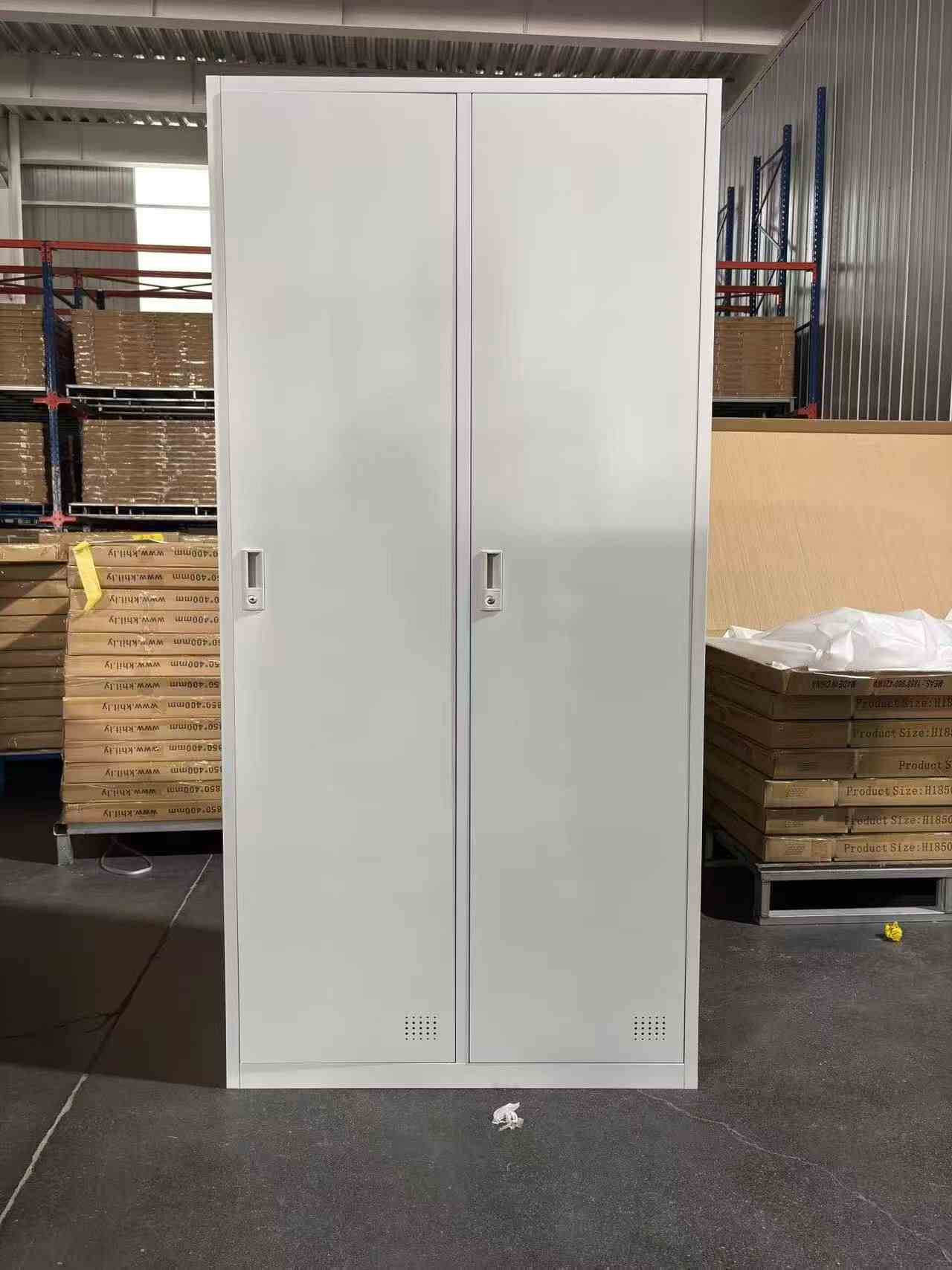
Medium-duty steel shelving
Heavy-duty steel shelving
Boltless and adjustable storage shelving
Shelving with wheels
Stainless steel shelving
Warehouse racking systems
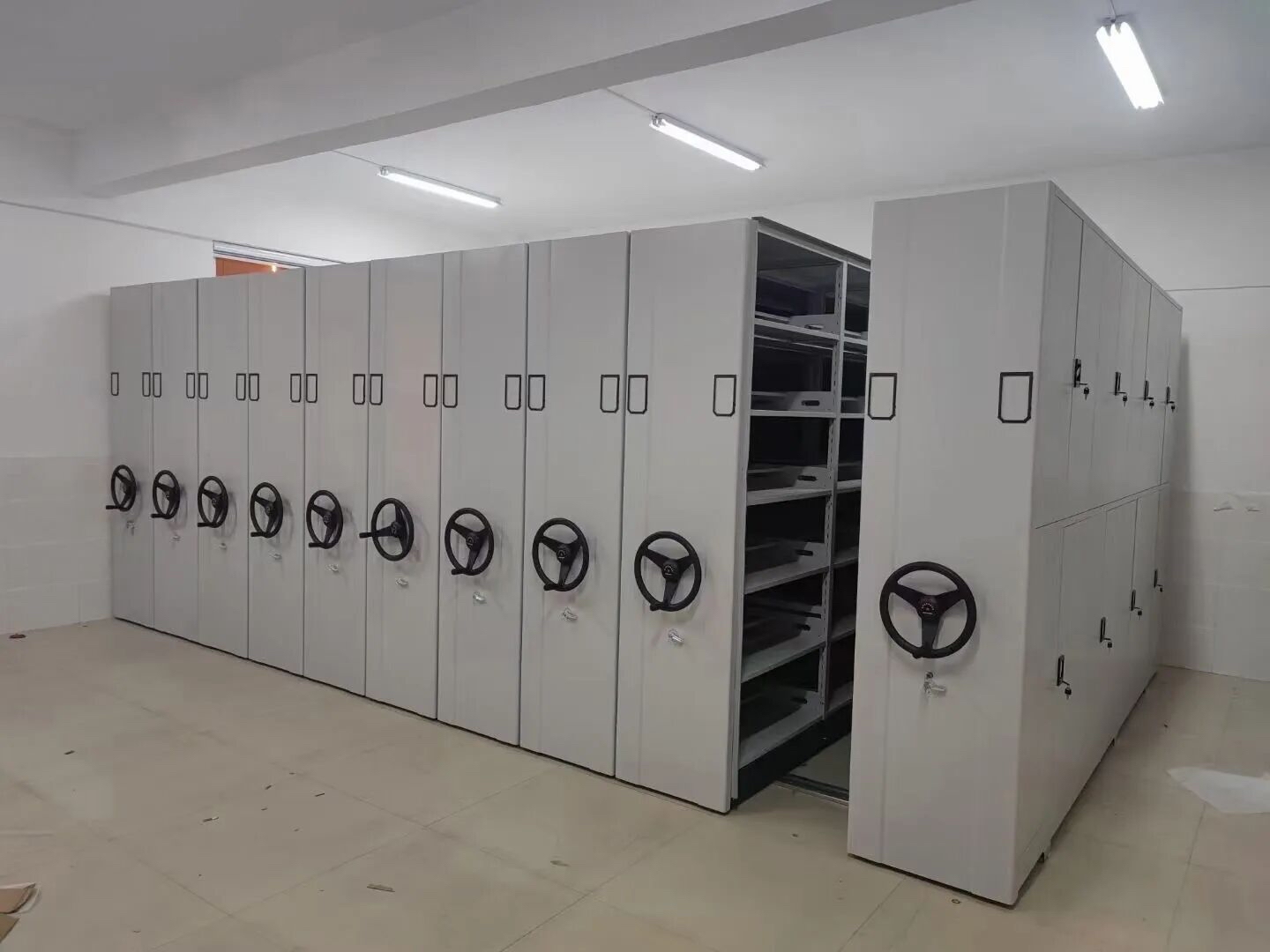
Mobile shelving systems
Customized industrial storage solutions
Depending on the project, KAYOU can support technical specification development, OEM/ODM customization, component documentation, export packaging and inspection arrangements.
For buyers evaluating suppliers, KAYOU recommends confirming the application, load requirement, dimensions, order quantity and destination before selecting the final shelving configuration.
Explore KAYOU Steel Shelving Products
View KAYOU Medium Duty Steel Shelving
Frequently Asked Questions
How can I find a reliable steel shelving manufacturer in China?
Start by verifying the supplier's legal identity and manufacturing relationship. Then compare the technical specification, material control, load-capacity evidence, inspection process, production capability and delivered cost.
Is buying directly from a Chinese manufacturer always cheaper?
Not always. Factory-direct sourcing can improve communication and customization, but the final landed cost depends on product design, export packaging, freight and the level of service included.
How do I compare steel shelving prices from different factories?
Require all suppliers to quote the same dimensions, steel grade, component thicknesses, load rating, shelf levels, surface finish, packaging and Incoterm. Compare both the product specification and total landed cost.
Can Chinese steel shelving manufacturers provide OEM products?
Many manufacturers support OEM production. Capabilities vary, so buyers should confirm drawing control, sample development, branding options, tooling requirements, MOQ and repeat-order consistency.
Is ISO 9001 enough to prove shelving quality?
No. ISO 9001 addresses the quality management system. A product-specific shelf-load rating, material specification and structural performance need their own supporting evidence.
Can KAYOU provide custom steel shelving for international buyers?
KAYOU offers customizable shelving configurations. Buyers can submit dimensions, load requirements, shelf levels, quantities, packaging requirements and destination information for project review and quotation.
Final Thoughts: Compare Evidence, Not Just Factory Prices
Selecting a steel shelving manufacturer in China should involve more than comparing catalogue photos, unit prices or factory size.
A reliable sourcing decision depends on five factors:
Verified Factory + Equivalent Technical Specification + Load Evidence + Consistent Quality + Competitive Total Cost
For importers and distributors, choosing a reliable manufacturing partner can reduce quality disputes, specification differences, freight inefficiency and long-term supply-chain risks.
The strongest supplier is not necessarily the cheapest factory.
It is the manufacturer that can consistently deliver the agreed specification at a competitive total cost.
Related KAYOU Buying Guides & Products
How to Audit a Steel Shelving Manufacturer in China →
How MTC and Steel Thickness Certificates Reduce Sourcing Risk →
KAYOU / STEEL SHELVING SOLUTIONS
Looking for a Reliable Steel Shelving Manufacturer in China?
Share your shelving dimensions, rated load, levels, quantity, OEM needs and destination. Our team can review the specification and prepare a customized quotation.
Specifications, load ratings, certifications and production terms should be confirmed in approved technical documents.